




Bookshelves and a reading space; conceptual library scene — AI-generated illustration by Bsouria; not documentation of an existing project.
Editorial review: 23 October 2026. Examples and suggestions are illustrative, not announcements of programmes or guaranteed outcomes.
Where can someone read quietly, ask a scientific question without embarrassment or learn an unfamiliar digital tool? The answer does not always require a new university or expensive equipment. Sometimes it begins with a table, a book and a facilitator who can turn curiosity into discussion. Keeping that space useful, however, takes more than opening-day enthusiasm and a group photograph.
This guide considers libraries, reading groups, scientific discussion and digital learning in Syrian life. It is not a directory of currently open centres or an announcement of a funded programme. It offers practical ideas to test according to local circumstances, exploring links between knowledge, skills and social relationships. These activities can complement education; they do not automatically replace school, university or accredited professional training.
Knowledge belongs in everyday life
Scientific culture is not simply memorising famous names or using complicated vocabulary. It includes asking for evidence, comparing explanations and recognising the difference between an observation and a broad conclusion. Traders, students, workers and business owners use these habits differently. Someone need not become a researcher to understand how to question a claim or recognise the limits of a video explanation.
UNESCO’s Recommendation on Open Science describes wider access to scientific knowledge and participation, alongside legitimate limits protecting rights and confidentiality. The useful lesson is that uploading a document is not the same as making knowledge usable. People need understandable language, context and opportunities to ask questions. Openness also does not mean publishing every piece of information a group holds about its participants.
A library is a place to use, not just display shelves
The IFLA–UNESCO Public Library Manifesto, updated in 2022, connects public libraries with education, culture and information. For a local Syrian space, this prompts practical questions. Can visitors find suitable material, ask for help, sit and work? Do they understand borrowing arrangements? Does the space feel usable to someone unfamiliar with institutional language or uncomfortable asking questions in front of other people? IFLA / UNESCO
A small, thoughtfully chosen collection may help more than a large donation unrelated to readers’ needs. Ask about subjects, languages and reading levels. Check condition, organise clearly and explain what can be borrowed. A simple digital catalogue can help without gathering excessive data. A reader’s identity and reading history should not become public marketing material merely because a lending service keeps records.
Make a reading group a conversation
Choose legally accessible material, realistic preparation time and questions that invite interpretation. Avoid turning the gathering into a memory test or requiring participants to disclose personal experiences. A facilitator might ask which idea produced disagreement and help people hear one another. Different readings of a text should not become verdicts on someone’s intelligence, character or right to participate.
A science club teaches a way of asking
For further research on this topic, you can also explore Investment, Business opportunity.
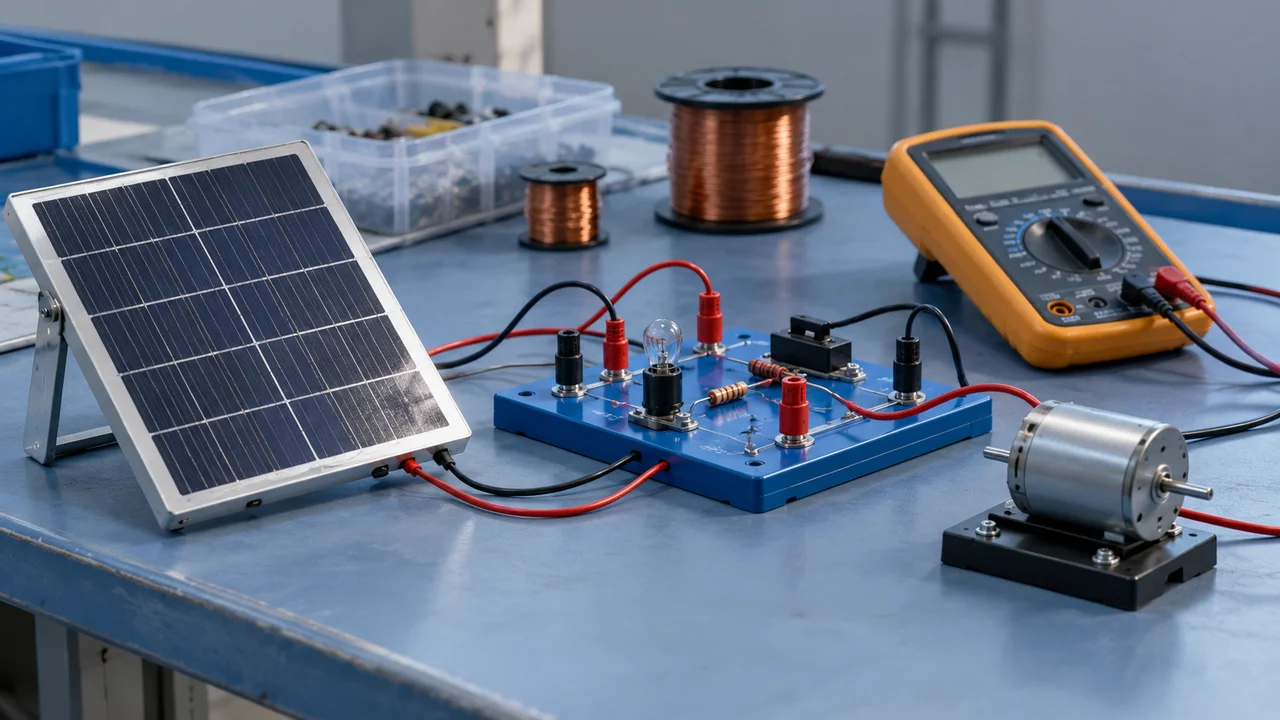
Activities might involve comparing reliable sources, interpreting a chart or observing an appropriate educational model under qualified supervision. Participants should understand the question, what was observed and what cannot be concluded. Every session need not produce a spectacular result. Discovering that a method cannot answer the question can itself be valuable, provided the team revises the approach instead of disguising the limitation.
Activities must suit participants, competence and premises. Qualified people should assess risks. Unknown substances, household electrical systems and dangerous tools are not justified by a desire to make science exciting. This article provides no hazardous experiment instructions. A team lacking equipment or qualifications can choose safe reading, observation and analysis rather than imitate a dramatic online video whose precautions are not visible.
Move from observation to a modest conclusion
A simple table can open discussion about what a measurement actually shows. Two figures rising together do not establish causation; a few cases do not justify sweeping claims. These ideas need not become a lengthy statistics lecture. Label hypothetical examples clearly and distinguish a teaching exercise from evidence about Syrian society. A confident explanation should not pretend to prove more than the information supports.
Media literacy before sharing the news
UNESCO describes media and information literacy as supporting critical engagement with information and the digital environment. A local discussion can turn that into habits: who published the material, is it original or repeated, when was it produced and does the headline overstate the detail? The purpose is not to embarrass a person who shared a claim. It is to make correction possible without hostility.
Compare a piece of material with suitable original sources and distinguish reporting, opinion and advertising. Look for missing context and evidence limits. Do not circulate harmful material or private information for an exercise. Fictional or properly anonymised training examples can demonstrate the issue without exposing an ordinary person to accusation. Make the fictional nature clear rather than presenting an invented case as an actual incident.
AI tools require review
A tool can suggest discussion questions, simplify wording or help organise a learning plan. It can also invent facts or references. Open the proposed source and check whether it supports the claim. If evidence is missing, do not promote a confident answer into teaching material. Participants should not upload private documents, passwords or sensitive workplace information simply to experiment with an unfamiliar service.
Ask learners to explain where they used the tool and what they checked themselves. Selecting a good question, verifying and editing can matter more than producing a long answer quickly. Follow any applicable educational or workplace rules. A cultural learning group is not permission to bypass an assessment or claim another person’s work. Tool literacy includes knowing when not to use a tool.
Skills and work: a connection without easy promises

Clear writing can improve a professional message; reading a table can help someone understand stock or cost. Scientific discussion may spark interest in further study. But a short session does not establish professional competence or guarantee employment. Describe the actual learning goal and the practice or formal training still needed. Otherwise curiosity risks becoming a market for certificates larger than the learning behind them.
A professional guest can offer a general example without disclosing clients’ or employers’ confidential information. Participants might practise summarising a permitted text or presenting an idea. If attendance is documented, state the activity and duration accurately. A university speaker’s presence does not automatically make a session accredited by that institution. Clear descriptions protect participants from investing time on the basis of an exaggerated promise.
The economics of keeping a space open
Free attendance still involves preparation, facilitation, premises, transport, connectivity, materials and maintenance. A programme dependent on one volunteer indefinitely can fail when that person’s availability changes. Distribute tasks, estimate time and discuss which work can be paid or supported. There is no standard budget for all Syria: locations, audiences and services need current, relevant quotations and actual operating information.
Where appropriate and permitted, a programme might combine open sessions, specialised paid services or support under disclosed conditions. Do not hide the basic offer behind vague advertising or use support to dictate discussion outcomes. Separate financial relationships from the conclusions participants are expected to reach. Transparency lets audiences understand what they receive without turning a learning space into an undisclosed promotional channel.
People can learn together without thinking alike
Sharing a room does not automatically create useful dialogue. Agree simple rules: no ridicule, no persistent interruption, no forced disclosure and a reasonable opportunity to speak. A facilitator can invite quieter contributions without putting anyone on trial. Differences in language, experience and available time should influence session design rather than be dismissed as a lack of interest or commitment.
A reading or science group should not market itself as psychological treatment or a solution to every relationship problem. It can offer structured contact and collaboration while recognising that other needs require qualified services. Sometimes the important benefit is simply knowing that questions are welcome and that a person can return. That is more credible than promising to transform someone’s life in one afternoon.
Access begins with practical barriers
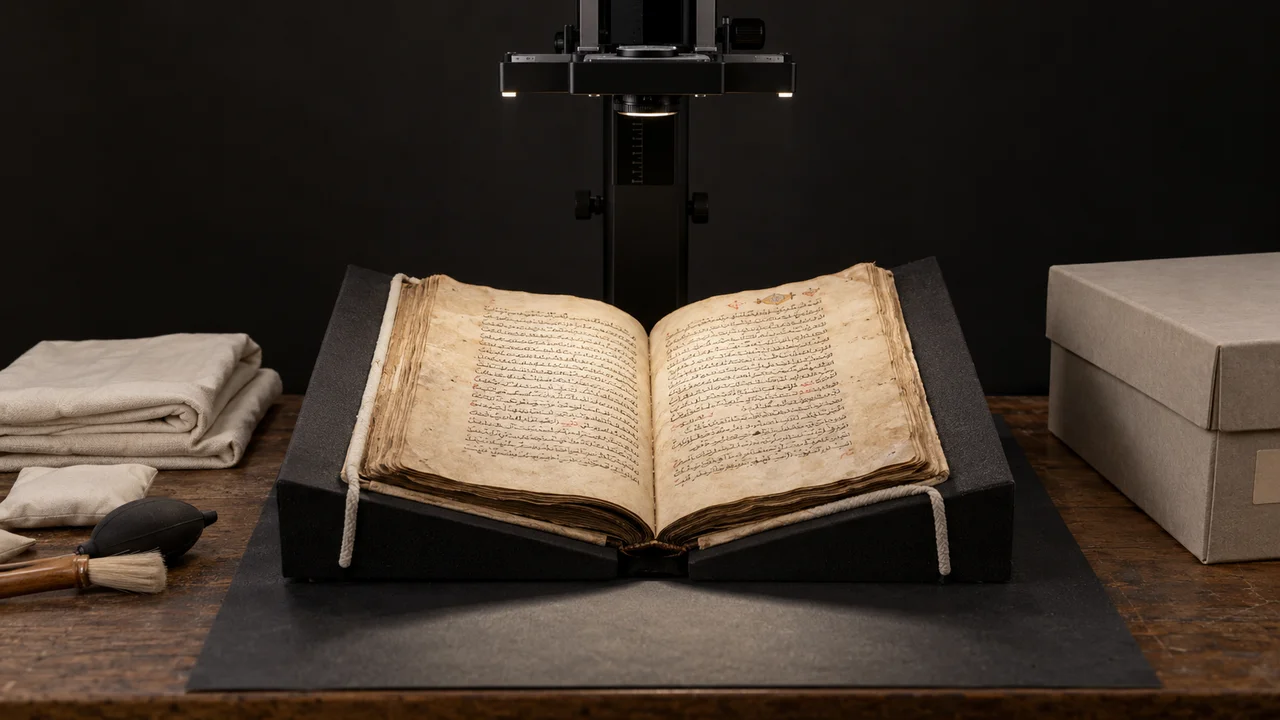
Consider travel, timing, cost, stairs, sound, text size and registration. Ask what adjustment would help without requesting unnecessary medical details. Clear written material, permitted recordings or flexible scheduling may be useful where resources allow. Digital delivery does not automatically reach everyone: connectivity, devices and privacy at home can be barriers even for people comfortable with technology.
Activities involving minors need appropriate safeguarding, supervision, permissions and image arrangements under relevant requirements. Do not casually mix a general adult session with a children’s programme. A small team may sensibly begin with adults and a defined activity, then expand when capability is established. Responsibility should grow alongside participation, rather than being considered only after an incident or complaint.
Local experience belongs in the discussion
A practitioner may understand a material, season or process not captured by a short theoretical account. Bringing experience and scientific questioning together can help when both sides recognise their limits. Do not ridicule lived experience, but do not accept every explanation simply because it is longstanding. Ask what was observed, under which conditions and what would help check the interpretation.
If the group records local knowledge or stories, listening does not grant publication rights. Agree purpose, permission and access, and credit contributors as they accept. Some material may be public; other material should remain private or restricted. Shared culture and open science do not cancel privacy, copyright or respectful treatment of sensitive knowledge. Good documentation includes knowing what not to publish.
Cooperation within Syria and abroad
A librarian, teacher, researcher or translator elsewhere can review material, suggest legally available readings or join a focused question session. Start with a defined contribution. Prepare summaries and advance questions rather than relying only on a long high-quality connection. If the guest cannot attend, participants should know the alternative plan before travelling. Reliability is part of respecting their time.
A guest’s institutional affiliation should be described accurately. Permission may be needed to use a name or logo; personal opinions are not automatically institutional policy. Bsouria can help identify professional experience and cooperation opportunities within its services, but parties remain responsible for verification and agreements. A networking platform is not a training accreditation body, and an online profile is not a substitute for checking suitability.
A four-session model to test
This is an editorial proposal, not an existing programme accepting applications. The first session discusses a short permitted reading. The second examines a chart or scientific claim using a reliable source. The third reviews a clearly fictional media example for context and evidence. In the fourth, participants produce a short explanation with references and a note about what remains uncertain.
The intention is to progress from listening through questioning to participation. Adjust session count and duration to resources and audience. Agree deliverables, content review and feedback handling, then test on a limited scale. An ambitious calendar does not help if organisers cannot sustain it or participants struggle to complete it. Coherence matters more than packing every fashionable topic into the programme.
Measure something more useful than photographs
Look for a modest output: identifying a source, explaining an idea more clearly or recognising why a graph does not establish cause. Evaluation should not humiliate people or publish individual results unnecessarily. A short voluntary question before and after can help. Avoid collecting background details merely because a reporting template has room for them. Gather what genuinely improves the learning experience.
Attendance and return visits matter but do not establish broad social transformation. Do not turn a few sessions into a claim about the culture or employment prospects of a whole community. Record difficulties too: long material, inconvenient timing, unclear terminology. Honest review improves the next round more than a report that recognises only success and uses promotional images instead of evidence of learning.
The next stage depends on continuity
Better access and services could widen learning opportunities, while improvement may remain uneven. Spaces need flexible formats and resources rather than a promise that technology removes every obstacle. A clear handout, capable facilitator and checkable source may sometimes be more useful than a complex platform participants cannot use. Choose the form that serves the audience rather than the one that looks most advanced.
Scientific and social culture grows when questions are accepted, correction is possible and cooperation can be repeated. No miraculous claim is needed. Understanding a piece of information better, finding a respectful discussion partner or pursuing deeper study are modest but meaningful outcomes. They connect knowledge with everyday life and future skills without pretending that one local initiative can resolve Syria’s wider challenges.
Explain one question at three levels
Start with a plain description, add an example, then offer methods or sources for those wanting depth. Beginners should not feel excluded and specialists should not feel that necessary detail disappeared. A facilitator can say where simplification begins and what needs further explanation. This is more useful than leaving people between inaccessible terminology and an answer simplified into inaccuracy.
For a chart showing change over time, first identify axes, period and units. Then ask whether conditions are comparable and finally examine data origin and limits. This is a question framework, not evidence about Syrian conditions. A clearly hypothetical chart can teach the method before participants move to a suitable public source.
Turn reading into clear writing
Ask the group to explain an idea in one paragraph for someone absent from the session. This reveals unclear vocabulary, the essential point and statements needing attribution. Different people may use examples, a simple diagram or questions and answers. Brevity should not remove a condition that makes a statement accurate. A shorter sentence is not automatically a better explanation.
Try respectful peer review: what did the reader understand, where was clarification needed and which claim needs support? Writers practise listening while reviewers describe the text rather than judging its author. Agree credit and any sharing of participants’ work. Learning together does not automatically authorise publication of names or drafts outside the group.
Disagree without losing the conversation
Agree that requesting a source is not an accusation and that not knowing is acceptable. Return personal disputes to a specific claim: which sentence is contested and what would help examine it? A facilitator need not settle everything immediately. Record a question for later qualified review, including whether it suits public discussion or requires a different professional setting.
Let participants see the facilitator correct a mistake plainly. Explain what changed without making the apology the whole event. Verification becomes a shared habit rather than an examination administered by an all-knowing person. Respect does not mean avoiding differences; it means organising them so people can keep learning and revise an opinion without humiliation.
A modest partnership between a library and a profession
A session might examine general skills such as reading instructions, describing a service or comparing equivalent quotations. Review material and agree what a guest can share without exposing confidential information. Individual requests beyond the scope should be directed appropriately, rather than answered hastily. The value lies in understanding a way of thinking, not pretending to resolve every personal case.
Such cooperation can introduce work areas without becoming disguised recruitment or data collection. Disclose relevant commercial interests and make later contact optional. A reading list, small exercise or follow-up session may be enough. Clear purpose and responsibility keep the collaboration useful and leave knowledge, rather than promotion, at its centre.
Frequently asked questions
Does a science club need a large laboratory?
Not necessarily. It can begin with reading, public-data analysis or suitable safe models under appropriate supervision. Match activity to competence, premises and audience. Enthusiasm does not replace qualifications. If safe conditions are unavailable, choose another activity that teaches questioning and comparison without exposing participants to harm.
Can these activities replace formal education?
No. They can complement education through curiosity, practice and contact, but do not automatically provide professional qualifications. Explain goals, limits and duration. A university lecturer’s attendance does not make the event institutionally accredited. Accurate descriptions help people select useful learning without unrealistic expectations.
How should sources be selected?
Start with original evidence or an institution relevant to the topic. Check date, context and support for the actual claim. Choose accessible language and distinguish simplified explanation from primary evidence. A respected name does not validate every conclusion another writer adds. Acknowledge uncertainty rather than substituting confident wording for verification.
Can AI be used in the group?
Yes, with a clear purpose, human review, applicable rules and protection of information and rights. Compare suggested explanations or questions with sources. Do not assume a generated reference exists. Learning to check output is more valuable than producing a long answer quickly or sharing private documents unnecessarily.
How can someone outside Syria participate?
Offer an available reading, material review, focused session or clearly defined support. Check language, timing, connectivity and local capacity. Knowledge exchange should work both ways rather than impose an impractical programme. Agree recording and reuse before the meeting. A manageable reliable contribution can be more valuable than an ambitious promise.
What should a small team do first?
Choose one audience, question, suitable space and capable facilitator. Select legally accessible material and a safe activity with a clear output. Ask what participants understood and what obstructed them, then revise. A small repeatable meeting with clear expectations provides a stronger foundation than a large name and an unsustainable calendar.
Sources and further reading
- IFLA / UNESCO — Public Library Manifesto
- UNESCO — Open Science
- UNESCO — Media and Information Literacy
Explore more on Bsouria
Business opportunities · Business directory · Companion article
Image sources and reuse
Photographs are dated in their captions, and conceptual scenes are identified. Archival images do not document current conditions or fund projects. Educational diagrams are by Bsouria.
- Bookshelves and a reading space; conceptual library scene — AI-generated illustration by Bsouria; not documentation of an existing project.
- Low-voltage educational experiment equipment; illustration — AI-generated illustration by Bsouria; not documentation of an existing project.
- Zahiriyya Library in Damascus, archival photograph from 2004 — O.Mustafin / Wikimedia Commons · CC0. Cropped and resized; the photograph does not establish current conditions.
- Book cradle and digitization camera; conceptual scene — AI-generated illustration by Bsouria; not documentation of an existing project.
Refreshed slideshow license: CC BY-SA 4.0. Sources, authors and image licenses are listed above; cropped images and their segments retain the original or compatible license.
Visual article summary
Slideshow of dated photographs and identified conceptual scenes, not current field reporting. Sources and licenses are in the article; enable captions.
This is general information and may change as new decisions are issued. Check official sources or a qualified professional before legal or financial decisions.




Comments (0)
Sign in to rate, like and comment.