

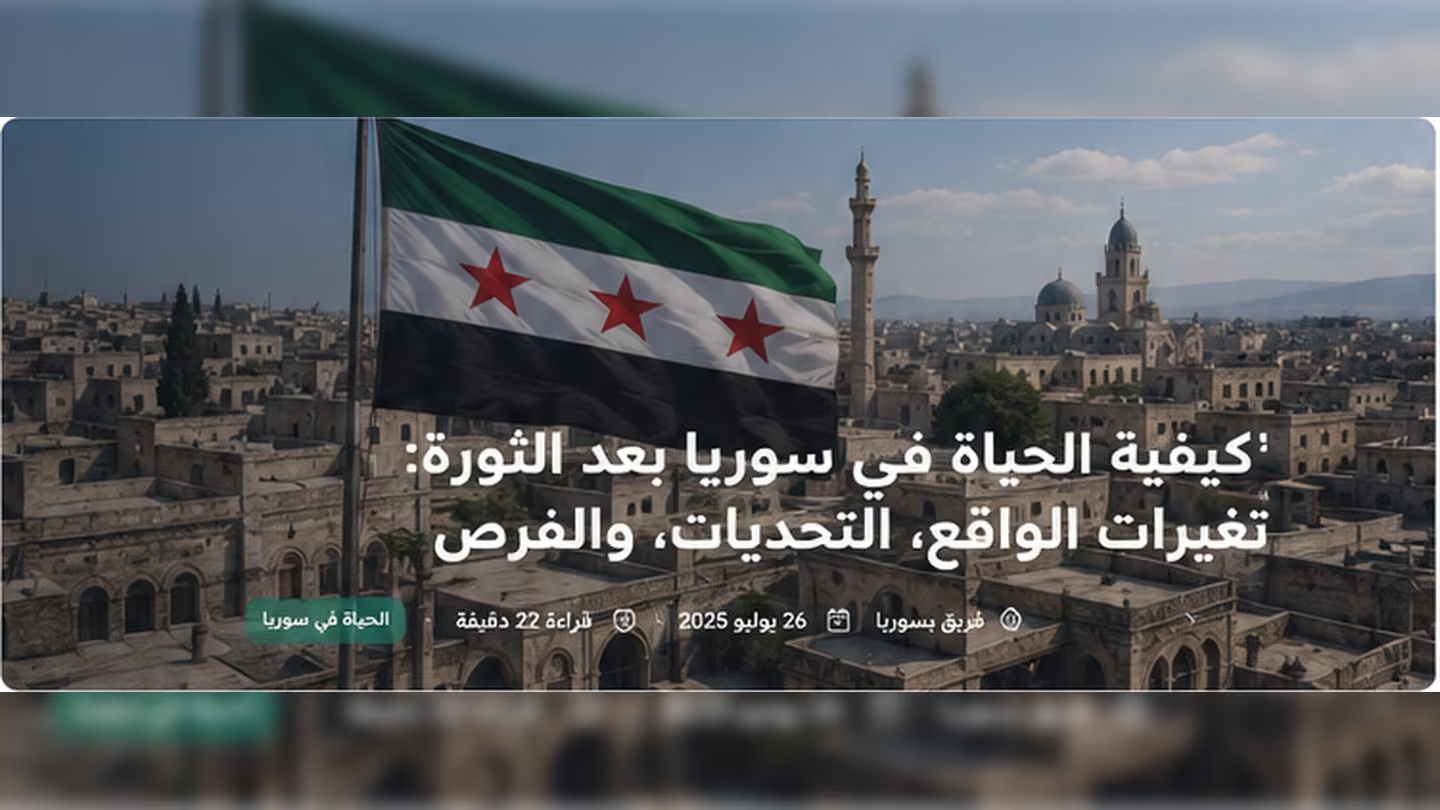
After the former government fell in December 2024, Syria entered a new phase that many Syrians describe as life after the revolution. Daily life, however, did not change at the same speed everywhere. Some communities experienced more openness, family reunification and renewed business activity, while millions still face high living costs, weak services, damaged housing and limited jobs. This guide explains what life looks like in 2026, what has improved, what remains difficult and how families, returnees and entrepreneurs can plan realistically.
Important: Conditions vary by governorate, city and neighbourhood. Figures are based on international reports available through mid-2026 and can change quickly.
Related Bsouria guides: Syrian economy, jobs and labour market, banking and payments, governorates investment map, and company formation.
What does life after the revolution mean in practice?
For many people, the first change was psychological and social: less fear, wider public discussion, returning relatives and a stronger appetite for local initiatives. Political change did not automatically restore electricity, homes, schools or incomes. Syria is therefore experiencing hope and reopening at the same time as deep economic and service pressure.
UNHCR reported that by the end of January 2026 more than 1.3 million refugees had returned from abroad since December 2024, while about 1.7 million internally displaced people had returned since early 2025. Returns brought life back to many towns but also increased pressure on housing, water, schools and jobs.
Security and stability
Movement and commercial activity improved in many places, but safety is still highly local. Some areas continue to face local tensions, unexploded ordnance, damaged buildings or sudden disruptions. Assess the exact neighbourhood, roads, school and workplace rather than relying on a country-wide label.
Jobs, income and purchasing power
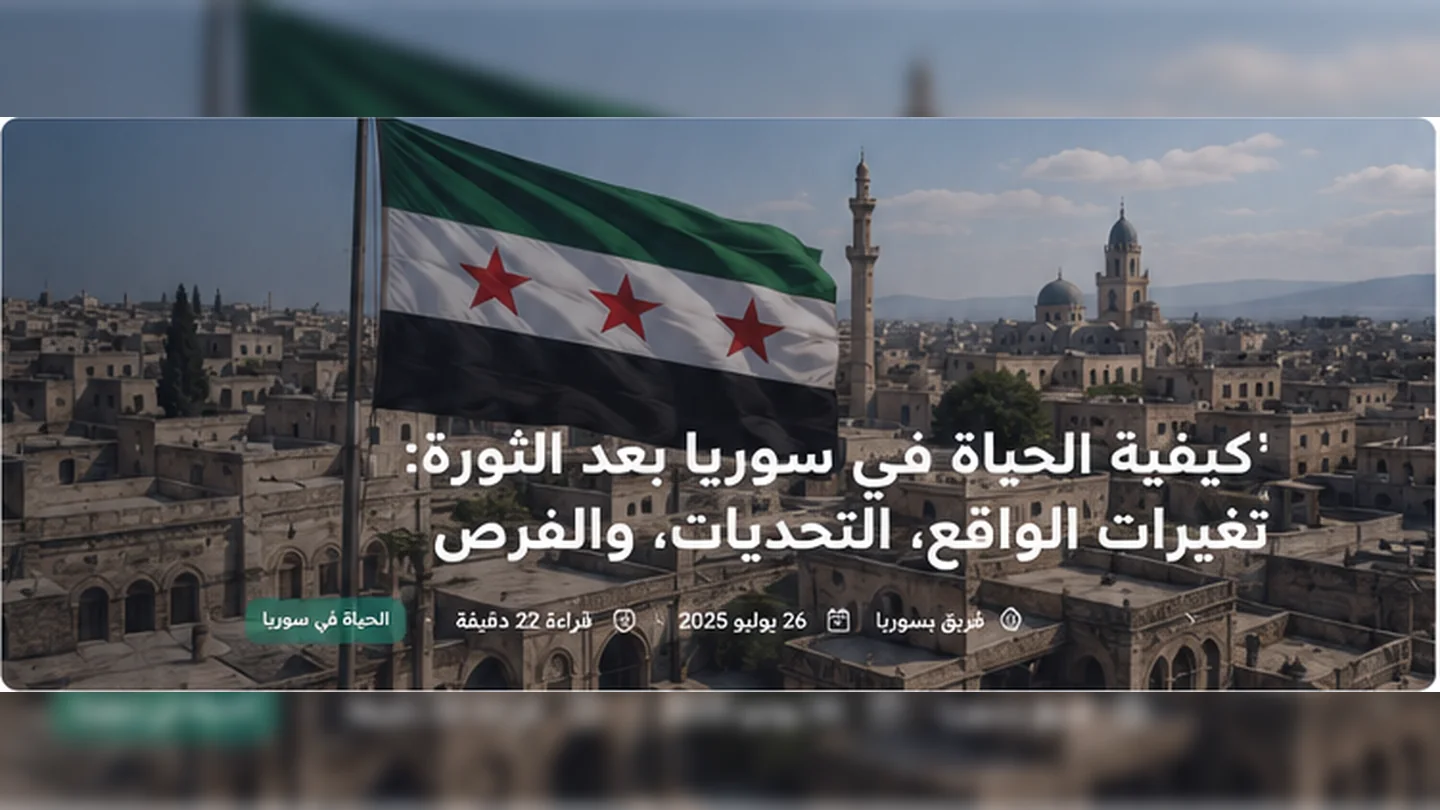
Goods may be more available than before, but affordability is the central challenge. The World Bank documented the severe erosion of Syria's economy and widespread poverty. Many households combine wages, informal work, a small business, seasonal activity and support from abroad.
Growing demand is strongest in practical services: home repair, solar energy, delivery, construction materials, food processing, education, healthcare, software, accounting and small-business support. Remote work can provide stronger income, but depends on electricity, internet and legal payment channels.
Food and living costs
WFP reported 7.2 million people facing acute food insecurity in 2026 and only 18 percent of the population considered food secure. The problem is often purchasing power rather than empty markets. Housing, energy and transport should be calculated before a family decides whether a local salary is enough.
Electricity, water and internet
Grid power remains inconsistent in many areas, so households use batteries, solar systems and generators. Water supply is also uneven. UNICEF reported in February 2026 that 14.4 million people, including 6 million children, urgently needed water, sanitation and hygiene assistance. Remote workers should test internet service at the exact address and keep backup power and connectivity.
Housing and return
Large-scale return increased demand for housing. Families may face structural damage, missing documents, occupancy disputes or expensive repairs. The World Bank estimated reconstruction needs at about US$216 billion, illustrating the scale of damage. Before renting, buying or restoring, verify title, occupancy, structural safety, utilities and unexploded-ordnance risk.
Education and children
The 2025-2026 school year introduced a unified national calendar and framework, but UNICEF reported more than 2.4 million children out of school and over one million at risk of dropping out. Returning children may need placement assessment, Arabic support, recognition of previous studies and catch-up learning.
Healthcare and medicines
WHO reported in March 2025 that only 57 percent of hospitals and 37 percent of primary health centres were fully functional. Services improved in some locations during 2025, but specialist care, medicines and costs remain highly uneven. Families with chronic illness should confirm doctors, medicines and emergency transport before moving.
Documents and administration
Returnees often need civil registration, identity updates, school certificates, property documents or business records. Use official offices and certified copies, keep digital backups and avoid giving original documents to unverified intermediaries.
Regional differences
Damascus generally offers more services and jobs but higher housing costs. Aleppo combines manufacturing and reconstruction with major neighbourhood differences. Central governorates connect agriculture, industry and transport. The coast offers ports, agriculture and tourism. The east and northeast have agriculture, energy and long distances, while the south benefits from agriculture and links toward Jordan. Conditions must be checked locally.
Opportunities in the new phase
Recovery needs create work in housing, water, decentralised energy, waste management, catch-up education, health services, logistics, food and digital systems. UNDP reported that its 2025 programmes benefited 8.9 million people across all 14 governorates through restored services, markets and livelihoods. A responsible opportunity solves a real problem, uses transparent contracts and respects communities.
Return and relocation checklist
- Make a trial visit before moving permanently.
- Assess the neighbourhood, not only the city.
- Organise identity, family, education and property documents.
- Prepare at least six months of housing and emergency costs.
- Confirm a realistic income source.
- Check schools, healthcare and chronic medicines.
- Keep a backup plan for housing, power and support.
Frequently asked questions
Is Syria safe to live in now?
Many areas are more stable, but conditions remain local and can change. Check the exact neighbourhood and routes.
Can a family live on one local salary?
It depends heavily on housing, city and family size. Many households require multiple income sources.
What are the largest return costs?
Housing, repairs, energy and transport usually come before food, health and education.
Are new jobs available?
Demand exists in construction, maintenance, solar, food, transport, health, education and digital services, but wages vary.
Is education regular everywhere?
A unified framework returned, but school capacity and quality differ and many children remain out of school.
How should an old family home be checked?
Verify ownership and occupancy, obtain an engineering inspection and assess services and explosive hazards.
Is solar power necessary?
Not for everyone, but it can be useful where outages are long. Size the system correctly and plan maintenance.
How can money be sent or received?
Use lawful licensed channels, compare fees and exchange rates, and keep receipts.
Is return suitable for older people or patients?
Only after confirming medicine, doctors, hospitals and transport in the intended location.
Which city is best?
No city is best for everyone; choose according to family, work, housing, health, education and budget.
Is it a good time to invest?
There are real opportunities and high risks. Start small and verify market, title, permits and partners.
What is the most important step before permanent return?
A realistic trial visit supported by a written budget and local service assessment.
External sources
- UNHCR Syria Operational Update, January 2026
- WFP Syria country page
- World Bank economic assessment
- World Bank reconstruction assessment
- UNDP Syria Annual Report 2025
- UNICEF education update
- UNICEF water and sanitation update
- WHO health-system update
Conclusion
Life after the revolution combines genuine hope with a long recovery. Sound decisions require current local information, a trial visit, documented rights, a realistic budget and a backup plan.
This is general information and may change as new decisions are issued. Check official sources or a qualified professional before legal or financial decisions.

Comments (0)
Sign in to rate, like and comment.