



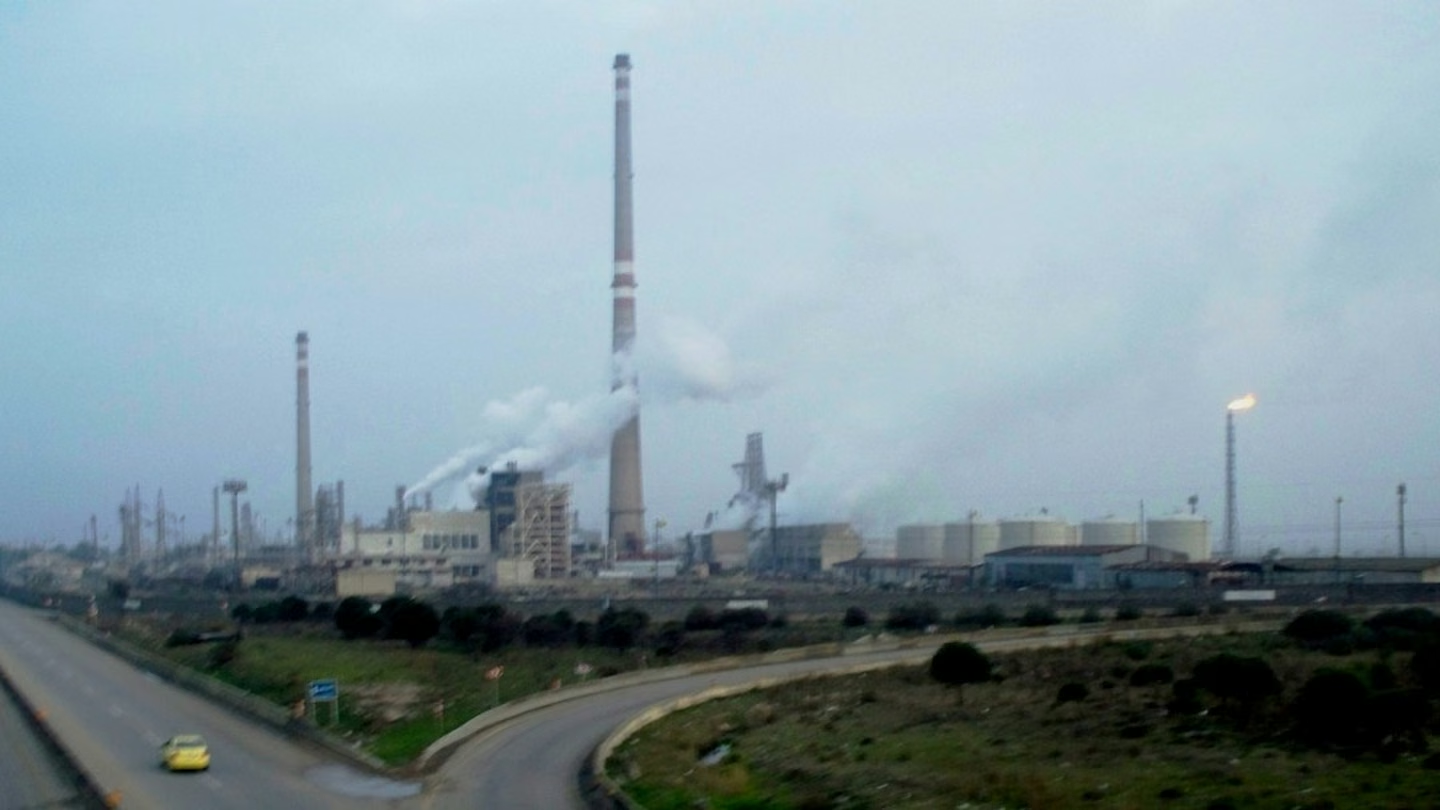
Oil refinery in Homs, archival photograph from December 2009 — High Contrast / Wikimedia Commons · CC BY 3.0 de. Cropped and resized; the photograph does not establish current conditions.
Editorial and source review: 22 October 2026. Scenarios and numerical examples are analysis, not announced contracts or guaranteed returns.
A workshop owner rarely begins the day by wondering how many solar panels fit on the roof. The immediate questions are whether an order can be finished, whether a machine will stop and how much keeping the doors open will cost. For an investor, these questions suggest a business beyond equipment sales: helping customers operate with understandable costs and dependable support.
This article examines assessment, maintenance, efficiency, monitoring and appropriately designed solar services for Syrian businesses. It addresses local investors and overseas partners considering a practical operating company. These are opportunities to investigate, not available government contracts or licensed generation projects. We do not invent electricity tariffs, promise returns or assume that a particular supply situation will continue indefinitely.
Chapter 1: Sector recovery matters, but a business needs customers
On 25 June 2025, the World Bank announced approval of a US$146 million grant for Syria’s Electricity Emergency Project, including rehabilitation of damaged transmission lines and substations and technical support. This establishes the importance of electricity infrastructure recovery. It does not mean that every private company is eligible for funding or has access to a contract. Review actual project and procurement documents when relevant. (World Bank)
The Bank’s country overview also describes uneven recovery and continuing uncertainty. A service company should therefore avoid depending entirely on either permanent outages or guaranteed rapid improvement. Ask what customers would still need under different supply conditions. Maintenance, useful measurements and operating efficiency may retain value, even as demand for particular backup equipment changes.
Sell an understandable result
“We reduce your bill” is too vague. The customer may need fewer interruptions to a particular process, identification of out-of-hours consumption, scheduled maintenance or evidence before buying a new system. Define what you can measure and what you cannot control. Do not guarantee continuous supply when it depends on a network, fuel or assets outside your responsibility. Clear limits strengthen a credible offer.
Chapter 2: Six service models to examine
Assess before prescribing equipment
A qualified team can sell a defined assessment covering operating schedules, available readings, supply sources and interruption problems. Deliver a short report with ranked actions. Sometimes the useful answer is a repair or operating change rather than a major purchase. Where appropriate, separate the assessment fee from equipment commissions, and disclose commercial interests that could influence recommendations.
Scheduled maintenance under a clear agreement
Equipment needs attention after installation: suitable inspections, cleaning, manufacturer-directed checks and review of recurring faults. Define visits, response arrangements, parts and exclusions. An undefined comprehensive guarantee creates confusion. Assign work to people with the right qualifications; giving a general worker a measuring instrument does not make that person an electrical specialist.
Improve efficiency inside the business
Scheduling loads, addressing faults or upgrading a specific inefficient system may create value, but each case needs measurement. Do not promise the same saving to every factory. Compare performance while accounting for production and operating hours. A smaller electricity bill caused by fewer customer orders is not evidence that an efficiency service succeeded, however attractive the chart appears.
Design and install suitable solar solutions
This model requires appropriate technical capability, legal arrangements and dependable suppliers. Begin with operating needs, site conditions and safety, then select equipment. Roof area alone should not determine system size. Compare warranty support and replacement availability, and check any grid connection with the relevant authority. This is an investment discussion, not a guide to do-it-yourself electrical installation.
Performance monitoring and reporting
A business with several locations may need to know where consumption or interruptions are unusual. A simple service can collect authorised data, flag exceptions and produce useful reports. Subscription value comes from better decisions, rather than more dashboards. Define ownership, retention and access to the data. Avoid collecting personal information about workers or customers that the service does not require.
Training, operating support and spare parts
Selling a device differs from supporting it months later. An investor might concentrate on appropriately scoped staff training, documented spare parts or coordination of qualified technicians. Do not present incompatible components as guaranteed substitutes. Record origin, specifications and applicable conditions. A technical mistake can cause harm and losses far exceeding the sale value, so traceability belongs in the business model.
Chapter 3: Identify a specific first customer
For further research on this topic, you can also explore Investment, Business opportunity.
“Every company needs electricity” is not a customer strategy. Choose a group whose operating cycle you can understand: small workshops, food stores, multi-location retailers or offices with sensitive equipment. Even within a group, willingness to pay and the cost of interruption differ. A business interrupted at its busiest hour may value response differently from one that can reschedule less urgent work.
Speak with owners and operating staff. Owners understand budgets, workers see recurring problems and accounts staff can describe expenditure. Request available records with the company’s permission. Do not build a precise-looking estimate from one person’s memory. If evidence is insufficient, offer a defined measurement stage first. An honest information gap is preferable to a payback calculation resting on weak assumptions.
Chapter 4: Choose a service area you can cover
Research businesses in Damascus and its surroundings, Aleppo, central Syria, the coast, the south, the north or the east according to actual operating feasibility. These are geographic research options, not assurances about current access or market readiness. Compare customer concentration, travel, qualified labour, parts and business type. A distant small contract may lose its margin to travel before technical work even starts.
Begin within a radius where your promised response is credible. Account for busy periods, vehicle problems and technician absence, rather than an ideal journey. Expansion requires a trained local team, repeatable checklists and consistent reports. National coverage should mean an operation with controlled quality across distance, rather than one technician trying to serve every governorate personally.
Define what each partner contributes
An overseas partner may provide technical knowledge, procurement or finance; a Syrian partner may provide operations, local staff and customer understanding. Document responsibilities and decision rights. A partnership is more than one person receiving equipment and another sending money. Check the requirements applying to the activity, imports, payments and warranty obligations in the relevant jurisdictions at the time of execution.
Chapter 5: Four questions before pricing
What runs now? What must keep operating during interruption? What standard of performance is required? What evidence will establish the outcome? These questions separate essential needs from desirable extras. The customer may need to protect one critical function, rather than run the entire site unchanged. Prioritisation can prevent an oversized proposal that loses trust before the technical discussion begins.
Then establish a realistic budget and schedule. A limited budget does not justify compromising safety; it may require a smaller scope or suitable stages. State inclusions, exclusions, quotation validity and responsibilities for any approvals. Buyers need comparable offers. The lowest price means little when necessary work is excluded or warranty support is left unclear.
Chapter 6: Service economics differ from equipment margins
An equipment trader manages purchase margin, stock and warranty. A service operator must also price technician hours, travel, response capacity and repeat visits. If one company does both, separate their accounts sufficiently to understand performance. The profit on a device can hide an underpriced year of support until the customer is already relying on the promised service.
An illustrative maintenance calculation
Suppose a monthly visit earns 100 currency units and labour, travel and consumables cost 60. The remaining contribution is 40. With monthly fixed costs of 1,200, thirty comparable visits cover those fixed costs, before tax, finance, investment and excluded risks. These are teaching figures, not Syrian prices or expected profits. Different sites may require very different work.
If travel takes twice as long or half the customers require an additional unpaid visit, the result changes despite an unchanged contract count. Measure actual service time and distinguish scheduled work from emergency attendance. Provide appropriately for warranty commitments. Avoid unlimited-callout language until you understand the resources required to honour it as the customer base grows.
Chapter 7: Demonstrate savings without misleading customers
Establish a baseline that describes consumption, output, hours and relevant conditions. Record changes after the intervention. More production can increase total consumption while improving energy used per unit. A tariff change can raise the bill without an increase in energy use. Explaining this plainly avoids inventing success or overlooking real improvement because one headline number moved in the wrong direction.
Agree the measurement method before making a performance-linked commitment. Define readings, instruments, comparison period and treatment of missing data. Do not promise a fixed payback period without dated prices and explicit assumptions. Present conservative and base cases and explain what changes the outcome. A useful calculation supports a choice rather than concealing uncertainty behind detailed formatting.
Chapter 8: Safety and warranty are part of the service
Electrical equipment, rooftops and batteries can involve serious hazards. Qualified professionals should follow applicable local rules, manufacturer instructions and suitable safe-working procedures. This article does not provide hands-on wiring or battery instructions. For an investor, training and clear safety responsibility are operating requirements, not decorative policies added after the first customer signs.
Separate equipment warranty from installation and maintenance obligations. Who receives a fault report? Are removal and transport included? What if a supplier cannot provide a replacement? Keep documents, serial numbers and handover records. The customer needs an identified route to support, rather than referrals between seller, installer and importer when the first real problem appears.
Chapter 9: Write an offer a business owner can understand
Describe the customer’s problem first, then scope, deliverables, measurement, price, timing and responsibilities. Put necessary technical detail in a suitable appendix without discarding it. Two clear pages supported by specifications may be more useful than twenty pages that never explain who will attend, when they will come and how completion will be accepted.
A plain-language first offer
“We will review the agreed equipment, collect available authorised readings, and provide a prioritised report with a separate quotation for any implementation you choose.” That describes an assessment, not a savings guarantee. Add price, duration, inspection limits and qualifications. If the visit reveals work beyond your competence, describe an appropriate escalation rather than trying to sell an improvised solution.
Chapter 10: Build the operation through a ninety-day trial
First month: one customer group and one service
Choose a manageable area and a service the team can actually deliver. Ask prospects about their last fault, maintenance bill and method of choosing a technician. Obtain costs for tools, training, travel, labour and insurance where available. Prepare a sample report that an owner can understand without someone translating the engineering vocabulary.
Second month: deliver, measure and refine
Run a limited set of paid pilots under agreed conditions. Record coordination, travel, inspection, reporting and follow-up time. All contribute to delivery cost. Ask customers what was useful and what remained unclear. A narrow repeatable service may be stronger than a comprehensive offer you struggle to fulfil. A useful delivered report matters more than a photograph posted after the visit.
Third month: decide whether the model repeats
Review repeat demand, invoice collection, complaints, unplanned visits and safety compliance. Can another qualified team member deliver the same standard? Does the customer know whom to contact? Is the margin positive after support? Correct weak points before adding territories or importing substantial stock. Early growth can multiply a small operational problem into a difficult one.
Chapter 11: What to watch over the next 12–24 months
Treat the future as scenarios. Better network supply may shift some demand from emergency backup toward efficiency, maintenance and integration. Uneven improvement may require different offers by area and business type. Higher equipment costs or difficult payment conditions may favour repair and smaller upgrades. None of these is a prediction guaranteed to describe Syria’s next two years.
Watch your own evidence: assessment enquiries, accepted recommendations, invoice timing and reasons for rejected quotations. Follow official project documents, supplier notices and operating costs. An infrastructure announcement is not automatically a purchase order for your firm. A flexible business can change its offer while preserving a consistent promise: clearer operation, dependable support and decisions informed by measurement.
Supplier selection: price is part of the decision
Request comparable quotations covering equipment, accessories, site work, tests, training, documents and support. If a necessary item is excluded, include its cost before comparing totals. Check origin, model, component compatibility and warranty conditions. A logo on a box is not enough evidence of authenticity. Professional checks can prevent your company inheriting a dispute with the customer after installation.
Discuss the equipment’s life beyond delivery. What requires cleaning or inspection? What maintenance does the manufacturer specify? Are approved replacement options available? How will replaced batteries or other waste be handled under applicable local rules? These matters can be summarised clearly. Ignoring them is what turns a future replacement into an unexpected expense that customers may blame your company for failing to explain.
Customer information and complaint handling
If readings are collected remotely, limit access to those who need it for the service and specify what happens when the contract ends. Do not publish identifiable consumption or production data in case studies without suitable permission. Anonymised results may be useful where permitted and genuinely non-identifying. Customers should understand that monitoring does not mean public disclosure of their operating details.
Create a simple complaint route with a reference, responsible person, expected response and escalation. Distinguish a routine additional visit from a safety report requiring appropriate urgent action. Staff should not improvise under pressure based on remembered sales conversations. As contracts grow, consistent follow-up becomes part of the company’s ability to deliver, rather than an optional administrative task.
Indicators that help choose the next step
Track quotation conversion, service hours, travel cost, overdue invoices, unplanned visits and renewal. Not every rejected offer is a price problem; trust, timing or unclear responsibility may matter. Ask respectfully and improve what the evidence supports. Discounts alone can attract contracts that lose money in delivery.
Test dependence on one technician. If that person is absent, are records, upcoming commitments and spare parts accessible? Standardisation need not create bureaucracy. A checklist, short report and appropriate training may be enough initially. An investor is backing a repeatable operation, not simply an individual skill that disappears when one person cannot attend.
When to decline an attractive-looking request
Decline or redefine work beyond your qualifications, requiring unmeasurable promises or pressuring the team to bypass safety or approvals. A first large customer should not draw the company into an undeliverable commitment. An assessment stage or qualified specialist partnership may be appropriate. Avoiding an unsuitable contract can protect resources and reputation.
When paid demand repeats and the team delivers consistently, expand deliberately: choose the area, customer group, backup supplier and additional training. Reserve resources for existing customers before advertising more contracts. Growth should extend proven capability while preserving a simple customer promise: clear deliverables, an identified support team and a shared way to assess the result.
Frequently asked questions
Does an energy opportunity mean selling solar panels?
No. Assessment, maintenance, monitoring, efficiency and training may be viable models to investigate. Suitability depends on demand, qualifications and requirements. Do not enter technical work without the relevant capability. Working with a qualified partner is possible, but design, execution, safety and warranty responsibilities need definition before selling services.
Would improved electricity supply damage the business?
It may change demand rather than produce one result for every model. Emergency-equipment sales differ from maintenance and efficiency services. Ask what customers would still need if supply improves and plan accordingly. Build around useful skills, rather than depending on a public problem continuing indefinitely.
Can a fixed savings percentage be guaranteed?
Not as a general promise across different facilities. Estimates depend on measurements, equipment, operating hours, output, prices and implementation. Any performance commitment needs an agreed method and appropriate allocation of risk. Clearly distinguish educational numbers from a customer-specific offer based on a site review.
How can an investor outside Syria begin?
Define the contribution—finance, procurement, expertise or management—and examine the operating partner’s capability and references. Test a limited service and reporting arrangement before expanding. Verify applicable requirements for the parties, goods and payments. A directory helps identify potential suppliers; it does not replace professional or legal due diligence.
What should a Bsouria cooperation listing include?
State the service, intended customers, area, qualifications and type of relationship sought. A specific need for a qualified maintenance team is more useful than a general claim of guaranteed profit. Do not claim an official contract you do not hold. Clear requirements improve the chance that enquiries become deliverable work.
What is a simple first step?
Offer a limited service to a defined customer at a known price, with clear deliverables and agreed measurement. Obtain authorised information and confirm qualifications and requirements, then run a safe pilot. Review repeat demand, margin and collection before expanding. An equipment photograph and optimistic market prediction cannot substitute for those results.
Sources and official reading
- World Bank — Syria Electricity Emergency Project, 25 June 2025
- World Bank — Syria overview
- World Bank — Project procurement information
Continue your research on Bsouria
Business opportunities · Business directory · Read the companion article ·
Image sources and reuse
Photographs are dated in their captions, and conceptual scenes are identified. Archival images do not document current conditions or fund projects. Educational diagrams are by Bsouria.
- Oil refinery in Homs, archival photograph from December 2009 — High Contrast / Wikimedia Commons · CC BY 3.0 de. Cropped and resized; the photograph does not establish current conditions.
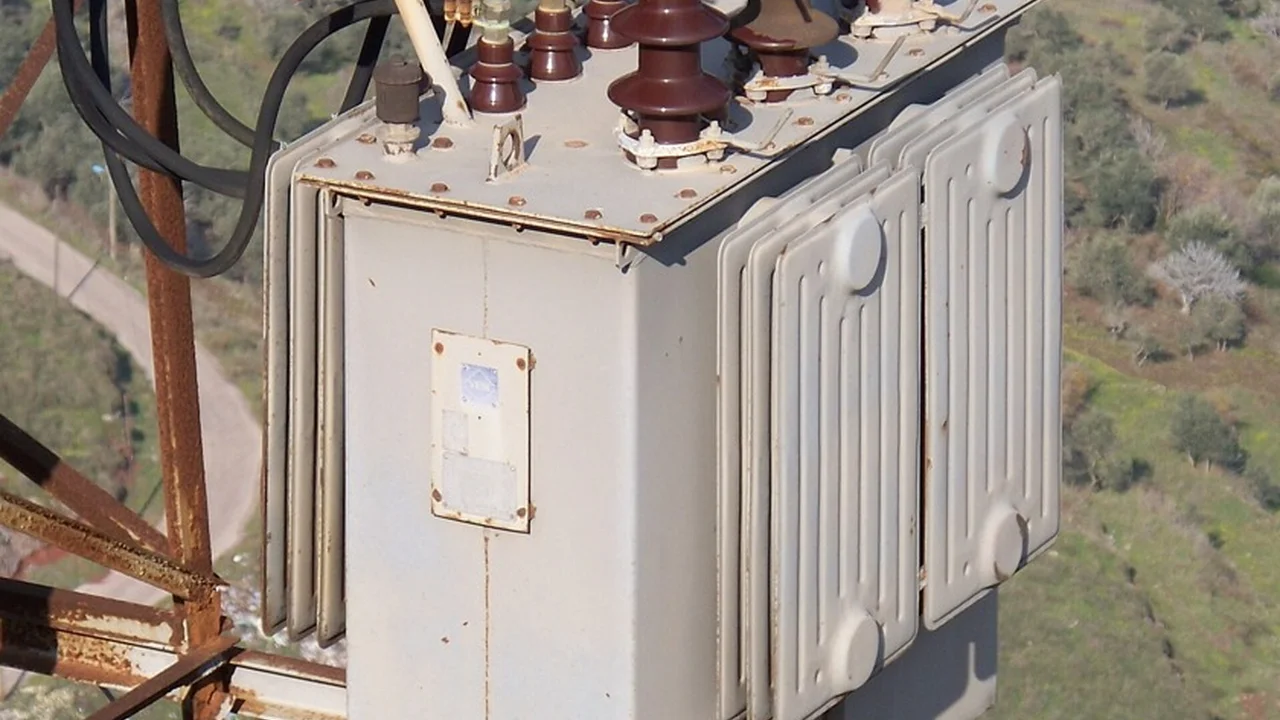
- Electrical transformer in Syria, archival photograph from 2009 — High Contrast / Wikimedia Commons · CC BY 3.0 de. Cropped and resized; the photograph does not establish current conditions.
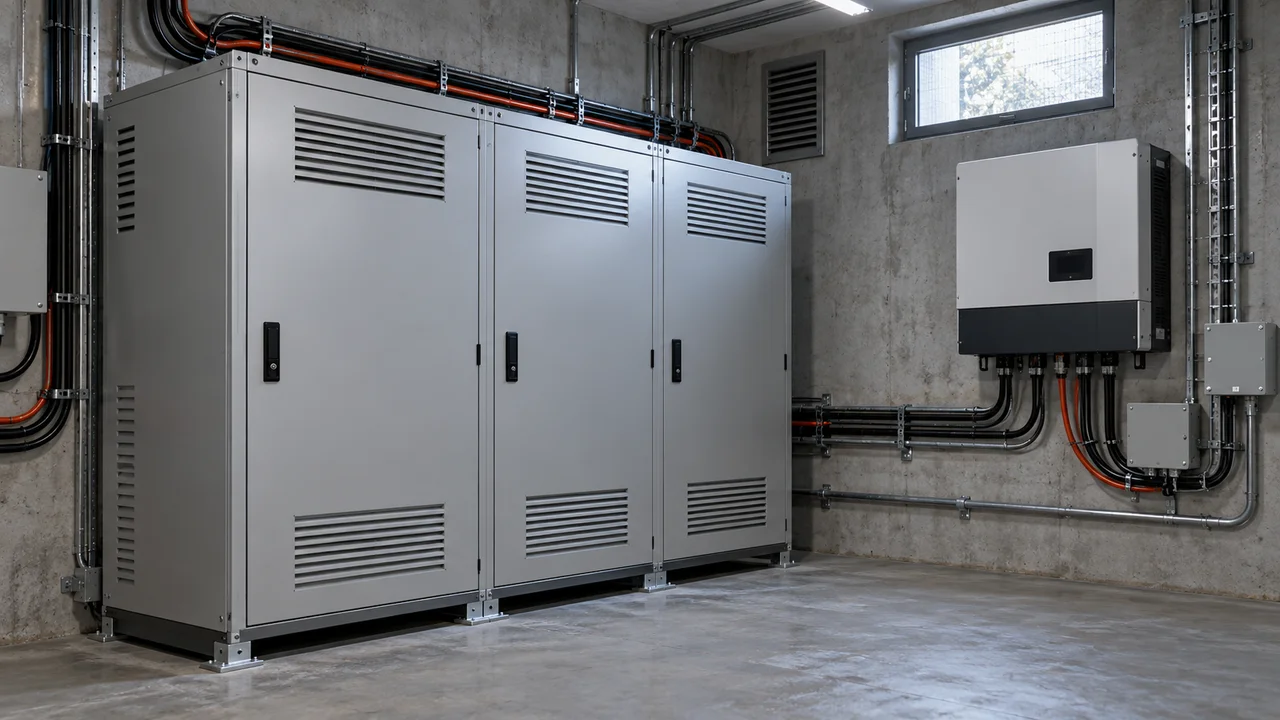
- Energy storage cabinets and equipment; conceptual scene — AI-generated illustration by Bsouria; not documentation of an existing project.
This is general information and may change as new decisions are issued. Check official sources or a qualified professional before legal or financial decisions.





Comments (0)
Sign in to rate, like and comment.