



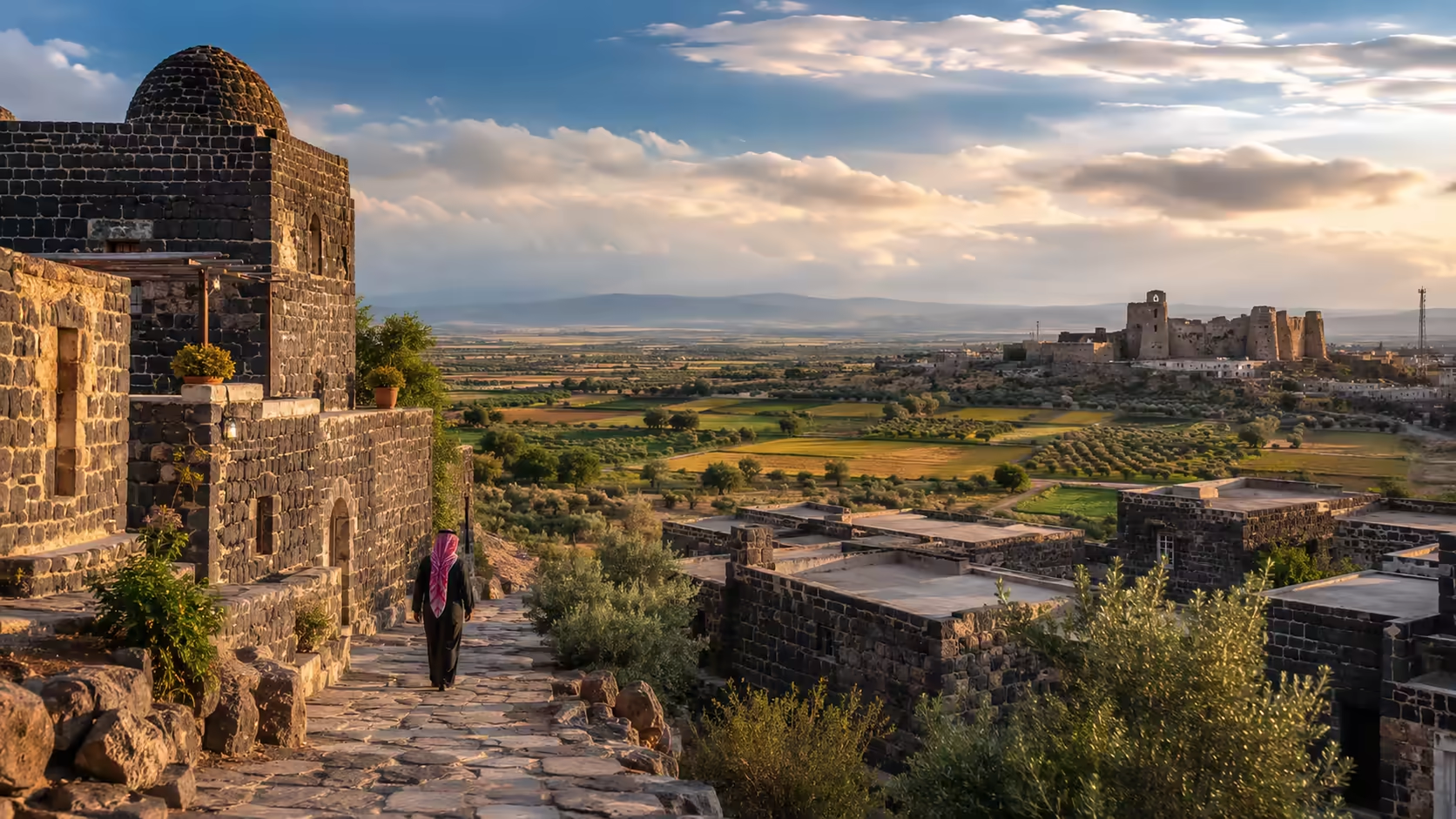
South Syria has a distinctive travel identity built around Bosra, Daraa, the agricultural plains of Hauran, basalt villages and a landscape connected to deep history and living rural communities.
1. Hauran Syria Travel Guide: Why the South Matters
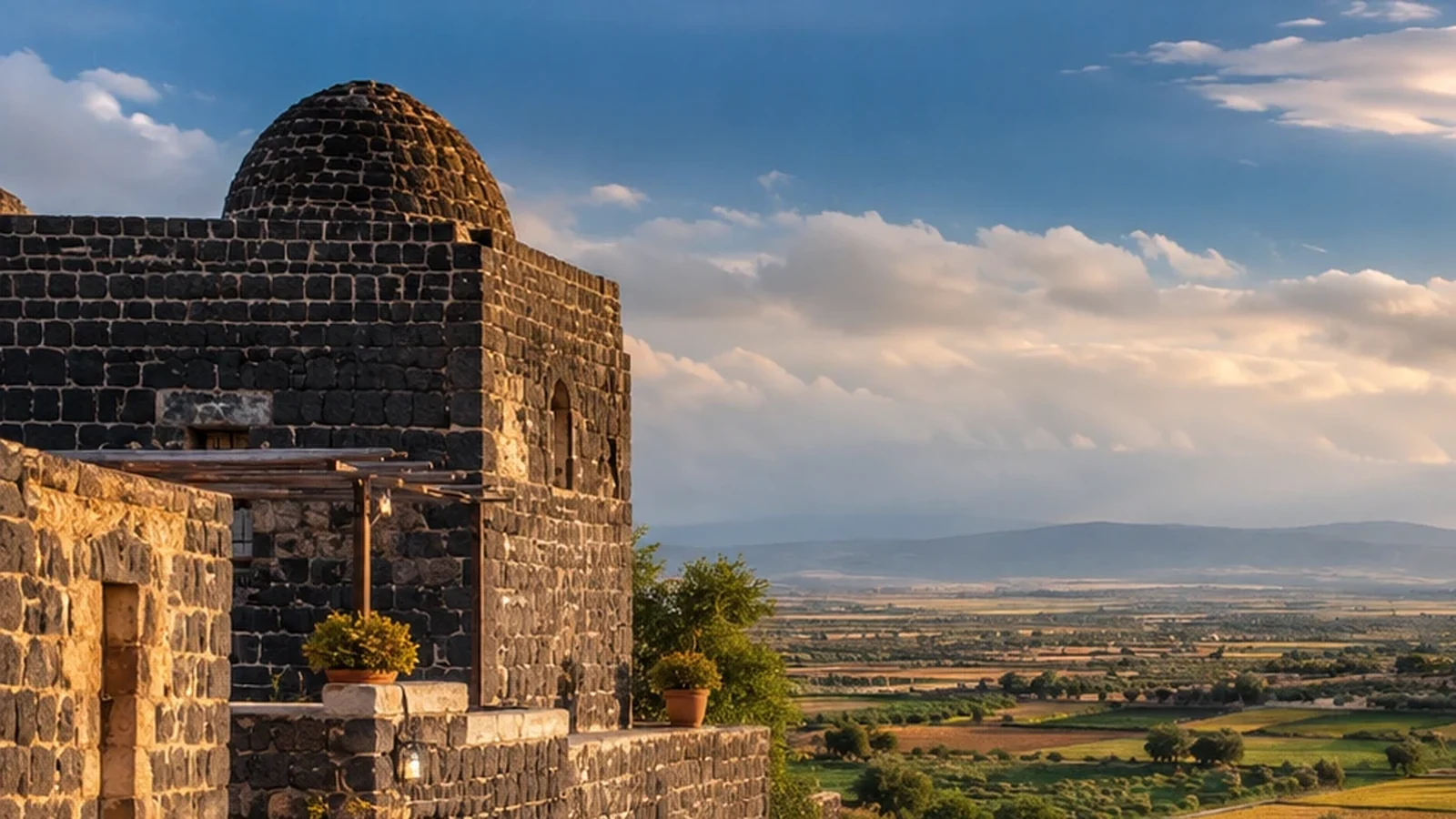
The region offers more than a single monument. Bosra provides exceptional archaeological value, Daraa adds an important human and urban dimension, and Hauran’s villages and fields reveal a rural Syria that differs from Damascus, Aleppo and the coast.
A successful journey combines heritage, landscape and local culture without trying to cover too much in one day.
2. Bosra as the main heritage anchor
Bosra is the leading historical destination in the south and is internationally recognised for its ancient urban fabric and Roman theatre. The theatre is impressive, but the wider historic city gives the visit greater meaning.
Walk slowly, follow permitted routes and look beyond the main photo point. Stone streets, structures and the relationship between the archaeological area and the surrounding community all deserve attention.
3. Daraa Governorate and the Hauran Plain
For further research on this topic, you can also explore Event, Service, Business opportunity.
Daraa helps visitors understand the region as a living place rather than an archaeological itinerary. Markets, neighbourhoods, services and conversations reveal the social and economic reality of southern Syria.
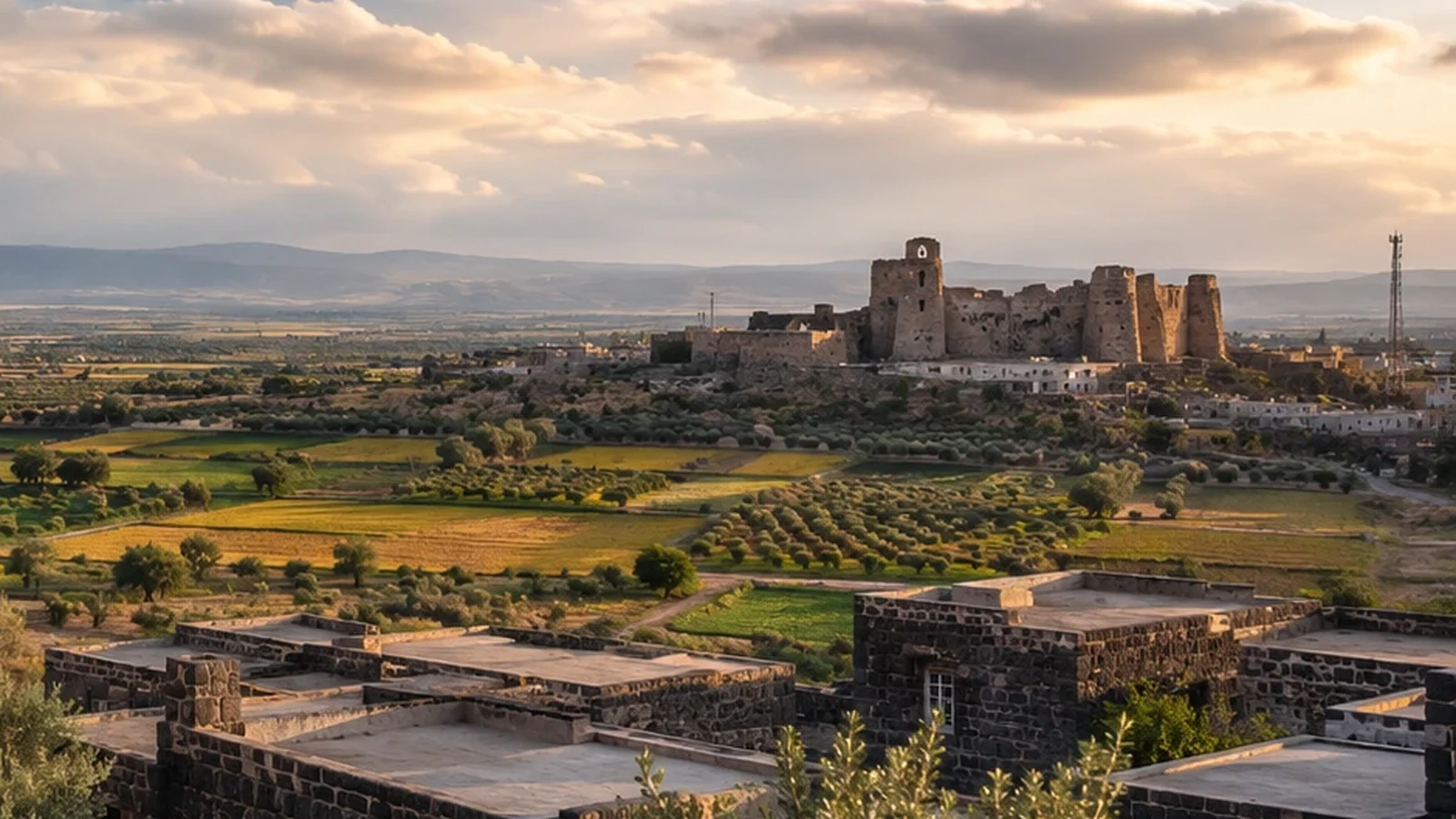
Respect privacy and local sensitivities. Avoid political or security assumptions, do not photograph sensitive sites and rely on current local guidance.
4. Hauran’s basalt villages
Black basalt architecture is one of Hauran’s most recognisable characteristics. Traditional houses and village structures reflect the materials, climate and building knowledge of the region.
These villages should be visited with humility. They are communities, not abandoned film sets. Ask permission before entering property or photographing residents.
5. Hauran Plain Agriculture and Landscapes
The plains of Hauran are central to the region’s identity. Agriculture shapes work, family life, seasonal rhythms and local food. The open landscape also creates strong opportunities for photography and slow travel.
Roadside stops should be safe and respectful. Do not enter fields without permission, disturb crops or leave waste.
6. A two-day itinerary
Day one: focus on Bosra, allowing enough time for the theatre and the wider old city. Add a meal or break with a local provider and avoid rushing to multiple distant stops.
Day two: explore Daraa or selected Hauran landscapes and villages according to current access and local advice. Keep the route flexible and return early if conditions change.
7. Family travel
The south can work well for families when the schedule is simple. Bosra offers a strong visual and educational experience, while rural scenery provides space and a different pace from large cities.
Carry water, plan rest stops and confirm food and bathroom facilities. Avoid long, uncertain routes with children or older travellers.
8. Photography and research
Other useful resources related to this guide include Partnership, Investment.
Photographers can find powerful images in basalt architecture, agricultural plains, Bosra’s monuments and the transition between towns and countryside. Researchers may also find value in archaeology, rural history, agriculture and community identity.
Always prioritise safety, consent and context. Do not photograph military, security or restricted infrastructure.
9. Supporting local communities
Visitors can support drivers, small restaurants, guides, shops and agricultural producers. Choose clear local services and pay fair agreed prices. Small, responsible spending can distribute benefits more widely than a highly packaged visit.
Do not buy archaeological objects or items of uncertain origin. Heritage belongs to the community and must remain protected.
10. Final perspective
South Syria deserves a stronger place in the country’s cultural travel map. Bosra, Daraa and Hauran combine archaeology, landscape, rural identity and national memory in a way that no other region exactly repeats.
Plan carefully, verify conditions and travel with respect. The south is most rewarding when it is approached slowly and understood on its own terms.
This is general information and may change as new decisions are issued. Check official sources or a qualified professional before legal or financial decisions.



Comments (0)
Sign in to rate, like and comment.