




Importing and exporting are not simply about buying goods abroad or sending a product to another market. A successful transaction is a connected chain that starts with defining the product and its customs classification, continues through counterparty checks, licences, standards, contracting, payment, transport and insurance, and ends with customs clearance, delivery and the management of any shortage, damage or dispute. A weakness in one link can turn an expected margin into penalties, delay, stranded cargo or a total loss.
What does this guide cover?
This guide explains how to build an executable import or export process to or from Syria. It is designed for traders, manufacturers, start-ups, agents, investors and small businesses. It does not assume that all goods, origins, destinations or payment methods follow one procedure. Its purpose is to give you a repeatable framework for asking the right questions, collecting the right evidence and calculating cost and risk before committing.
Before proceeding, review the business opportunity due-diligence checklist, and search for suppliers, logistics companies and service providers in the Business Directory. You can also explore published business opportunities and investment opportunities related to manufacturing, distribution and trade.
First, understand Syria's current regulatory environment
Syria's institutional framework changed materially during 2025 and 2026, including the creation of the General Authority for Land and Sea Ports and the reconstitution of the National Import and Export Committee. For a trader, the practical lesson is simple: an old circular or the experience of a previous shipment should never be treated as a permanent rule. Look for the latest decision, its effective date, the issuing authority, and any annexes, exceptions or later amendments.
Start with official sources such as the Syrian Ministry of Economy and Industry, official information concerning the National Import and Export Committee, and the General Authority for Land and Sea Ports. Do not rely on a screenshot circulated in a messaging group. Verify the decision number, date, complete wording and any later change. Our guide on verifying business and legal information in Syria explains how to distinguish primary sources from unofficial reporting.
Define the type of trade operation
For further research on this topic, you can also explore Import & export, Business opportunity, Partnership.
Import
An import brings goods into Syria for consumption, processing or resale. Depending on the product, it may require an eligible importer, prior approval, an import licence, technical or sanitary inspection, origin documentation, customs duties and taxes, and specific banking arrangements.
Export
An export sends Syrian goods to another country. Success depends not only on Syrian permission to export, but also on the destination country's product-entry rules, labelling and packaging requirements, health or technical standards, origin evidence and any restrictions affecting the buyer or end use.
Transit and re-export
Transit means cargo crosses a country without entering domestic consumption. Re-export normally means goods previously admitted under a procedure that allows them to leave again. Both require careful attention to customs guarantees, permitted routes, deadlines, seals, border formalities and proof that the goods exited.
Temporary admission
Temporary admission may be used for exhibitions, equipment or materials brought in for processing and later re-export. Never assume exemption is automatic. Time limits, guarantees and proof of re-export normally apply, and missing a deadline can convert the operation into a permanent import with duties and penalties.
The process from idea to delivery
- Define the product, specification, quantity and final use.
- Determine the Harmonized System code and verify restrictions and tariff treatment.
- Study demand, price, competitors and genuine market capacity.
- Verify the supplier or buyer, beneficial owners and operational capacity.
- Obtain required approvals and licences before making an irreversible commitment.
- Request detailed quotations and compare total landed cost rather than unit price alone.
- Agree the Incoterm, named place and contract or purchase order.
- Choose the payment method, document conditions and safeguards.
- Prepare, inspect, pack, mark and insure the goods.
- Produce transport, origin, licensing and conformity documents.
- Ship, track, clear customs, pay charges and receive the cargo.
- Verify quantity and quality, pursue claims and close the transaction file.
These stages are interdependent. The Incoterm affects insurance and cost; the HS code affects licensing and duty; payment affects the document set; origin can affect restrictions and preferential treatment. Manage the shipment as one controlled file, not as a collection of disconnected chats.
1. Define the product without ambiguity
Do not begin with a broad description such as “spare parts” or “food products.” Prepare a complete commercial and technical description: common and scientific name where relevant, material, use, model, output or capacity, composition, origin, brand, new or used condition, packing method, net and gross weight, and every required certificate. A precise description prevents later disagreement over classification, price, testing and acceptance.
Food products may require ingredients, production and expiry dates, storage conditions, origin, batch number and Arabic labelling. Machinery may require serial numbers, year of manufacture, electrical rating, manuals and spare-parts lists. Chemicals may require a safety data sheet, CAS number and dangerous-goods transport classification.
2. Confirm the HS code before final pricing
The Harmonized System is the international language used to classify goods. The World Customs Organization explains that the system is used widely around the world, with a common six-digit core and additional national digits for tariff, statistical and control purposes.
Do not copy a code from an old supplier invoice without analysis. Products with similar names may differ by material, function, processing stage or technical characteristics, producing a different classification, duty or permit requirement. Seek a written view from a qualified customs broker, compare the product with section and chapter notes, and request an advance ruling where such a procedure is available.
3. Check prohibitions, restrictions and sector approvals
Classify the goods into three broad groups: generally admissible, admissible subject to a licence or inspection, and prohibited or tightly restricted. The competent authority depends on the product and may involve health, agriculture, industry, communications, environment, standards, culture, security or another regulator. Restrictions can also arise in the exporting country or a transit country even when Syria permits the goods.
Products requiring extra attention may include medicines and medical devices, food and animal or plant products, seeds and pesticides, wireless equipment, chemicals, dual-use items, batteries, dangerous goods, used vehicles and branded goods. This is not a definitive list. Obtain confirmation for the specific product and classification.
Rules can change temporarily to protect domestic production, manage foreign currency or respond to shortages and surpluses. Check the latest officially published economic decisions before opening a documentary credit or authorising loading.
4. Confirm that your company is eligible
Other useful resources related to this guide include Wanted to buy, Service.
A commercial registration does not necessarily authorise every activity. Confirm that the company's objects cover import, export or the relevant product activity; that tax registrations, sector licences and any required memberships remain valid; and that the person signing has authority. Also verify banking requirements, source-of-funds documentation, invoicing, record retention and sector-specific permits.
When searching for a partner, broker or logistics provider, the Bsouria Business Directory can be a starting point, followed by independent verification. Eligible businesses can also publish a company profile that clearly describes their capabilities and services.
5. Study the market before buying
An import decision cannot rest on the question “Is there demand?” Measure the size and quality of demand, customer segments, inventory turnover, seasonality, competitors, substitutes, price sensitivity, distributor margins, local payment terms, spoilage risk and after-sales obligations. For industrial goods, speak to end users and technicians as well as traders.
Useful tools include the International Trade Centre's market-analysis tools and UN Comtrade, which allow comparisons of trade flows by product and country. These datasets do not make the purchasing decision for you, but they can reveal trends, potential suppliers and competing markets.
Where practical, test the idea with samples or a small order. Compare the expected sale price with the full landed cost, not the factory price. Consult the platform's trade articles and practical guides before committing capital.
6. Verify the supplier or buyer before paying
Request legal registration, tax number, facility address, directors, a bank account in the entity's name, trade references, product catalogue, quality certificates and factory details where the seller claims to manufacture. Confirm the location on maps, call through an independently obtained number, request a live video tour and examine the email domain and website history.
Do not send money to a personal account or an unrelated company without a documented legal explanation and approval from your bank. Compare the beneficiary name across the contract, invoice and bank details. Screen beneficial owners, sanctions exposure, reputation and disputes. The verification guide provides a wider framework, while the due-diligence checklist helps organise the counterparty file.
Common warning signs
- A price dramatically below the market with no verifiable explanation.
- Pressure to pay immediately or a last-minute change of bank account.
- Refusal to provide a sample, registration records or a live facility view.
- Inconsistency between company name, email, bank account and address.
- A vague invoice that omits specifications, quantities or delivery terms.
- A request to understate value or alter origin or description.
- Certificates supplied only as images with no issuer verification.
7. Calculate the full landed cost
Landed cost includes everything required to place usable goods at the intended location. Build a worksheet covering product value, packing, inland transport at origin, export charges, inspection, origin documents, agent fees, international freight, insurance, port or border handling, unloading, demurrage and storage, broker fees, customs duty, taxes, local testing, inland delivery, finance cost, exchange movement, waste, returns and warranty.
Use at least a base case, a cautious case and a stress case. What happens if freight rises by 20%, the cargo is delayed by two weeks, exchange rates move or an additional test is ordered? A margin that disappears at the first delay is not a robust margin.
Simple management formula: landed cost per saleable unit equals the total transaction cost through delivery divided by the number of units actually available for sale. Do not divide by purchased quantity when damage, samples or normal loss are expected.
8. Select an Incoterm that matches your capability
The ICC Incoterms rules allocate transport tasks, costs and risk between seller and buyer. They do not determine ownership, payment, product quality, governing law or dispute resolution. Those matters belong in the contract.
Practical examples
EXW: places a significant burden on the buyer from the seller's premises and may be unsuitable if the buyer cannot manage export formalities in the supplier's country.
FCA: is often clearer for container shipments where the seller hands goods to the carrier at a named point.
FOB: applies to sea or inland-waterway transport and must name the port of shipment. It should not be used automatically for every container movement without understanding the risk point.
CFR/CIF: include sea freight to the destination port, and CIF includes specified insurance, yet risk transfers before arrival. Do not confuse who pays freight with who bears transit risk.
DAP/DPU/DDP: impose more responsibility on the seller. DDP can appear convenient but may be legally or tax-wise impractical if the foreign seller cannot act as importer in the destination country.
9. Write a contract that describes performance
The contract or purchase order should identify the parties and authority, product and specification, quantity and permitted tolerance, price and currency, Incoterm and named place, production and shipment schedule, packing and labelling, required documents, inspection, acceptance, payment, warranty, spare parts, delay, force majeure, confidentiality, intellectual property, governing law, court or arbitration, and the controlling language.
Attach specifications, drawings, photographs and approved samples. Do not write “excellent quality”; define measurable acceptance criteria. Do not write “fast delivery”; state a date or a period triggered by a clearly defined event. Specify what happens when quantity is short, test results fail or shipment is late.
10. Build the core document file
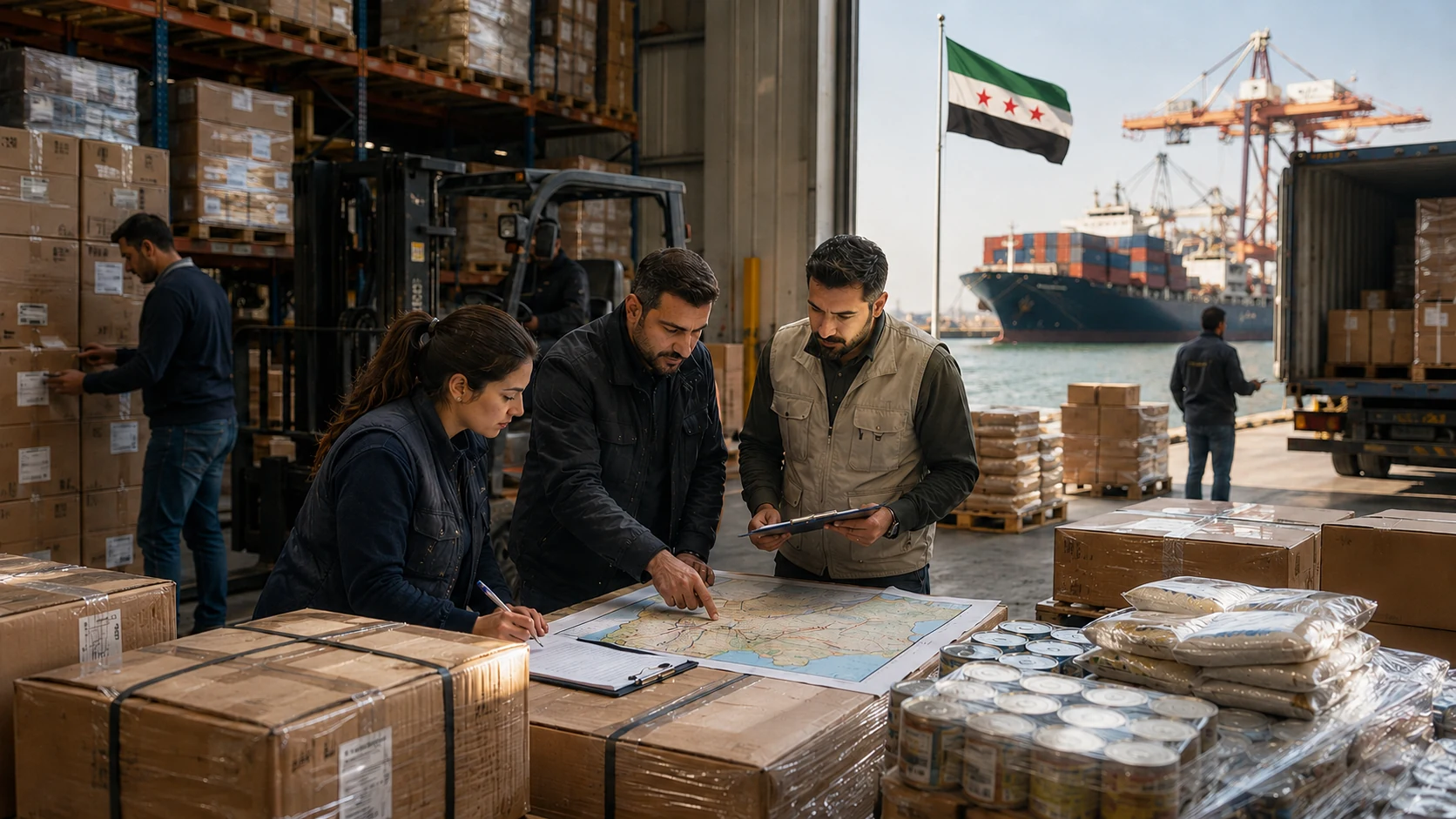
The exact document set varies by product and route, but a commercial file commonly includes:
- Pro forma invoice: the supplier's offer and often a basis for licensing or payment arrangements, but not necessarily the final tax or commercial invoice.
- Commercial invoice: seller, buyer, description, quantity, value, currency and delivery terms.
- Packing list: package count, contents, weights, dimensions and marks.
- Transport document: bill of lading, air waybill or road consignment note depending on the mode.
- Certificate of origin: evidence of origin under the applicable rules and sometimes subject to certification or legalisation.
- Import or export licence or approval: where required.
- Health, phytosanitary, veterinary, analysis or conformity certificates: according to the product.
- Insurance certificate or policy: where purchased or required by contract or finance.
- Serial-number list, warranty and technical documents: for machinery and equipment.
Create a document matrix stating the document, issuer, deadline, original-copy requirement, language, authentication and recipient. Many delays arise not because a document is missing, but because a correct document arrives late, carries a different name or is supplied in the wrong number of originals.
11. Distinguish country of shipment from origin
The country of shipment is where goods depart; origin is the country in which the goods are considered produced under applicable origin rules. Repacking or routing through a third country does not automatically change origin. An origin error can affect duty, preference, restrictions and brand or consumer-law statements.
Check consistency among the invoice, certificate of origin, packaging and labels, and verify the issuing body. If preferential treatment is claimed, confirm that the product satisfies the relevant origin rule rather than merely being shipped from a partner country.
12. Technical, sanitary and labelling compliance
Before production, obtain the destination-market specification. Verify mandatory label language, importer details, ingredients, warnings, voltage and frequency, shelf life, origin, batch number, instructions and conformity marks. Do not postpone labelling until the goods reach port; relabelling can be expensive and may not be permitted.
For food, pharmaceuticals and agricultural goods, check registration, sampling, testing, temperature and cold-chain rules. For electrical products, verify safety, compatibility and plug requirements. For timber and packing materials, check treatment rules. Ask a laboratory or conformity body to confirm its accredited scope; a general certificate may not cover the exact test or model.
13. Choose payment terms that balance risk
Advance transfer
Operationally simple but risky for a buyer dealing with a new supplier. Reduce exposure through a partial deposit, milestone payments linked to production and inspection, and clear remedies.
Documentary collection
Banks handle documents, not product quality. Instructions must be precise, and both sides should understand what happens when documents are refused or delayed.
Documentary credit
A letter of credit can reduce payment risk if structured correctly, but it involves fees, expertise and exact document compliance. The Central Bank of Syria's commercial-services page refers to import-licence and documentary-credit services. Confirm current conditions, currencies, fees and correspondent-bank availability directly with a licensed bank before contracting.
Open account and trade credit
Useful in established relationships but exposes the exporter to non-payment. Consider credit limits, trade-credit insurance where available, bank guarantees or control of transport documents according to law.
14. Sanctions, export controls and bank compliance
The sanctions environment affecting Syria has changed substantially, but “sanctions were lifted” does not mean every person, bank, commodity, technology, currency route or transaction is permissible everywhere. The United States revoked the comprehensive Syria sanctions programme effective 1 July 2025 while retaining targeted sanctions and other controls; consult the official OFAC Syria page. The European Union lifted most broad economic sanctions in May 2025 while retaining security-related and targeted measures and updated listings in 2026; consult the Council of the European Union.
If a supplier, bank, carrier, insurer or currency route touches another jurisdiction, check that authority's current rules, including the United Kingdom guidance and Canadian measures.
Screen parties, beneficial owners, banks, vessels, carriers, goods and final use. Dual-use goods, technology and software can be subject to export controls separate from sanctions. Obtain specialised advice when several jurisdictions overlap, and never route a transaction through an intermediary to conceal the party, origin or end use.
15. Choose transport based on the product, time and total cost

Sea freight
Suitable for large volumes but requires management of containers, bookings, port handling, transit time and demurrage. Compare full-container load with less-than-container load and include consolidation and deconsolidation charges.
Road freight
Important for regional trade and dependent on border operations, routes, vehicle and driver permits, insurance and transit documents. Prepare an alternative route where border congestion or operating conditions can change.
Air freight
Fast for high-value or urgent goods, but expensive and charged partly by volumetric weight. Check batteries, dangerous goods, temperature and security restrictions.
Multimodal transport
Combines sea, road or air. Identify responsibility at each transfer, the issuer and scope of the transport document, and whether insurance covers the entire journey rather than one leg.
16. Cargo insurance
A carrier's legal liability is often limited and does not equal the cargo value. Buy coverage appropriate to the product, route and risks: breakage, theft, wet damage, temperature, war or strikes where available. Read exclusions, deductibles, valuation rules and claim deadlines.
Match the insured party, currency, value, journey, cargo description and Incoterm. Keep packing and loading photographs and seal records. If damage occurs, notify the carrier and insurer immediately, arrange a survey and do not discard packaging before documentation.
17. Pre-shipment inspection and pre-clearance
Pre-shipment inspection is valuable with a new supplier, sensitive product or large order. It may confirm quantity, specification, operation, packing, labelling, serial numbers, loading and container seal. Agree the sampling plan, acceptance standard and whether the report is a condition of payment.
Commercial inspection does not replace official customs, health or conformity inspection. A successful prototype also does not prove the full production run is compliant; use during-production or final random inspection where risk justifies it.
18. Plan customs clearance before arrival
Send a pre-clearance file to the broker before shipment: invoice, packing list, HS code, origin, transport mode, licences and certificates. Ask for missing items, estimated charges, likely inspection authority and known risks. After departure, monitor original documents and declaration data before the goods arrive.
Clearance may include declaration filing, document review, customs valuation, examination or sampling, duty and tax payment, release and delivery. A single day of document delay can generate storage and demurrage exceeding the broker's fee.
Select a licensed broker experienced in the commodity and entry point. Require an itemised statement and official receipts. Do not provide open-ended signed forms or permit changes to description and value without written approval.
19. Customs value is not a number chosen to reduce duty
The WTO Customs Valuation framework describes a fair, uniform and neutral system. Transaction value is often the starting point, subject to adjustments and alternative methods where it cannot be accepted. Packing, commissions, assists, royalties, freight or other elements may be relevant under the applicable rules.
Retain the contract, purchase order, payment proof, quotations, correspondence, freight and insurance evidence. Artificially understating an invoice is not a legitimate saving; it creates legal, tax, insurance and claim risks.
Important note on humanitarian import guidance
In July 2026, the WFP-led Logistics Cluster published guidance for importing humanitarian food supplies and humanitarian non-food items into Syria. These materials are useful for understanding categories of approvals, documents and pre-coordination, but they concern humanitarian operations. They must not be copied into a commercial shipment as if they were general commercial law. Obtain the commercial procedure from the competent Syrian authority.
20. Practical steps for exporting from Syria
- Confirm exporter eligibility and whether the product is prohibited or conditional.
- Identify the target market's entry, labelling and conformity requirements.
- Confirm HS classification, origin rule and any preference.
- Quote a clear currency, Incoterm, named place and validity period.
- Verify the buyer, bank and end use.
- Prepare a contract, production schedule and inspection plan.
- Obtain certificates, approvals and authentication.
- Book transport and insurance and plan transit.
- File the declaration and retain proof of exit and delivery.
- Monitor collection, returns and after-sales support.
A sustainable exporter does more than sell once. It builds a repeatable export product file, consistent quality, suitable packaging and a record of customer feedback. Find distribution and partnership opportunities in the Opportunities section, or publish a trade opportunity for potential partners.
21. Practical steps for importing into Syria
- Confirm product admissibility, licensing and sector authority.
- Test demand and calculate landed cost and realistic sale price.
- Verify the supplier and request a sample, specification and detailed quotation.
- Confirm HS, origin and documents before paying a deposit.
- Agree the contract, Incoterm and payment method.
- Approve labels, packing and conformity before final production.
- Inspect the goods and connect the result to payment milestones.
- Send the file to the bank, broker and carrier early.
- Track cargo, original documents and deadlines.
- Inspect on receipt and notify claims immediately.
22. Small businesses and trial shipments
A small quantity does not automatically eliminate legal requirements. Express courier services may simplify transport, yet commercial goods can still need permits, registration and duty. Begin with a lawful sample, request a proper invoice and confirm that the courier accepts the commodity and route. Do not split consignments deliberately to evade declarations or charges.
For a new venture, test three separate assumptions: product quality, market response and supply-chain repeatability. One successful sample does not prove the supplier can deliver a hundred orders at the same quality and time.
23. Manage delay, shortage, damage and claims
The contract should set notice periods, required evidence, remedies and whether the result is replacement, discount or refund. On arrival, examine seals, packages, weight and condition before signing without reservation. Photograph damage, retain packaging, obtain a carrier or terminal report, and notify the insurer and supplier in writing.
Identify the real cause: manufacturing, packing, loading, transport, storage or clearance. A claim against the wrong party wastes time. Preserve recourse rights within contractual, legal and insurance deadlines.
24. Reject illegal shortcuts
High-risk practices include understating invoice value, misdescribing goods, falsifying origin, using an invalid certificate, concealing the beneficial owner, unexplained third-party payment, bribery, shipment splitting to evade controls and ignoring export restrictions. Consequences can include seizure, fines, banking exclusion, criminal exposure and reputational damage.
If an intermediary says “everyone does it this way,” request the legal basis in writing. Never sign a declaration you have not reviewed, and never allow your company name to be used for cargo whose contents and parties you do not know.
Common import and export mistakes
- Buying before confirming HS classification and admissibility.
- Comparing factory prices while ignoring landed cost.
- Using an Incoterm without a named place or understanding risk transfer.
- Expecting the supplier to know every destination-country rule.
- Paying a new supplier in full before inspection.
- Using a generic contract that does not define the specification.
- Involving the bank and broker only after cargo arrives.
- Allowing inconsistent party names across contract, invoice and bank account.
- Assuming broad sanctions relief eliminates all compliance screening.
- Failing to retain a complete transaction file.
Practical checklist before confirming an order
Product and market
- Are the description, specification and approved sample final?
- Is measurable demand and a realistic sale price evidenced?
- Are waste, warranty and after-sales cost included?
Law and customs
- Is the HS code supported?
- Is the product admissible and are approvals valid?
- Are origin, label and conformity requirements satisfied?
- Are duty and customs value estimated conservatively?
Parties and contract
- Have the company, owners and bank account been verified?
- Does the contract define quality, quantity, time and remedies?
- Are the Incoterm, named place and version written in full?
Payment and compliance
- Has the bank accepted the route and document plan?
- Have sanctions, export controls and end use been screened?
- Is every payment linked to evidence?
Shipping and receipt
- Are carrier, insurance, route and booking confirmed?
- Has the broker reviewed the file before loading?
- Is there a plan for delay, claims and storage?
If the answer to a material question is “I do not know,” the transaction is not ready. Convert uncertainty into a task, owner, deadline and evidence requirement.
A simplified worked example
A company plans to import a packaging machine quoted at $30,000. The decision should not start with price. It should identify the model, output, origin and HS code and confirm admissibility and safety rules. Comparable quotations must use the same Incoterm, while landed cost includes freight, insurance, duty, installation, spares and training. The factory is verified, and the machine is tested with a similar product. A payment stage depends on a passed acceptance test. The contract states output, waste tolerance, voltage, warranty, spare-parts list and delay remedy. Before loading, the broker reviews the documents and classification, transport is insured, and serial numbers and video are recorded. Price has now become a measurable investment decision rather than a guess.
How Bsouria helps
Bsouria connects practical content, market opportunities and organisations serving Syria. Search for suppliers, manufacturers, customs brokers and logistics providers in the Companies and Business Directory. Review trade and distribution opportunities, and read related articles and guides on contracts, verification and investment. Businesses can publish a company, while users can publish an import or export opportunity with clear requirements.
Bsouria does not automatically endorse a listed party and does not replace official authorities. Use the platform for discovery and organised information, then perform independent due diligence. To suggest a correction or source, use Contact; to understand the platform's mission, visit About Bsouria.
Sources and update methodology
This guide prioritises primary and institutional sources: official Syrian websites and decisions; the World Customs Organization for HS classification; the World Trade Organization for customs valuation; the International Chamber of Commerce for Incoterms; the International Trade Centre and UN Comtrade for market analysis; and official US, EU, UK and Canadian authorities for sanctions and compliance updates. Humanitarian Logistics Cluster material was reviewed only with an explicit warning that it does not define the general commercial procedure.
A source provides an institutional framework at a given date; it does not automatically answer the facts of your shipment. Before execution, request confirmation tied to the exact HS code, commodity, origin, value, route and shipment date from the competent authority, bank and customs broker.
Best practices
- Start with legal admissibility, then market demand, then price.
- Convert every promise into a clause, document and acceptance standard.
- Confirm HS, origin and Incoterm before signing.
- Separate counterparty verification, goods inspection and document review.
- Use milestone payments instead of relying on personal trust alone.
- Involve the broker, bank and carrier during planning.
- Retain a dated copy of decisions and approvals relied upon.
- Re-screen restrictions and sanctions for each shipment.
- Use a trial shipment before scaling where practical.
- Run a post-transaction review and update your cost, supplier and risk files.
Summary
Importing and exporting are exercises in information and risk management as much as buying and selling. A robust transaction combines a clearly defined product, defensible HS code, tested market, verified counterparty, realistic landed cost, precise contract, controlled payment, consistent documents, insured transport and planned customs clearance. No single checklist fits every commodity, but the method remains constant: verify before committing, document before paying and inspect before accepting.
This is general information and may change as new decisions are issued. Check official sources or a qualified professional before legal or financial decisions.



Comments (0)
Sign in to rate, like and comment.