From Farm to Market: Where Syria’s Cold-Chain Investment Opportunities Begin
Fruit market in Hama, archival photograph from 2010 — Bernard Gagnon / Wikimedia Commons · CC BY-SA 3.0. Cropped and resized; the photograph does not establish current conditions.

Editorial and source review: 22 October 2026. Scenarios and numerical examples are analysis, not announced contracts or guaranteed returns.
A crate of vegetables can lose value before the trader has sold a single item. For an investor, that short journey raises useful questions. Who collects the produce? Who grades it? Where does it wait, and what condition is it in when the buyer receives it? A business opportunity may lie in connecting two stages reliably, rather than buying another field or constructing an impressive warehouse.
This guide considers collection, grading, packing, refrigerated storage and transport for Syrian investors and overseas partners. These are business models to investigate, not a catalogue of available contracts. We do not attach invented returns to Syrian locations. A promising idea becomes a business when you identify a customer willing to pay for a service that your team can deliver safely and repeatedly.
Chapter 1: Why look beyond the harvest?
FAO’s Syria country page describes work supporting agricultural production, rural development and farmers’ resilience. It also lists an assessment of agricultural drought impacts during 2021–2025. This is relevant background, but it does not establish commercial demand for a cold store at a particular address. Local demand still needs interviews, current quotations and a practical trial. (FAO)
The joint UNEP–FAO report on sustainable food cold chains encourages looking at the entire chain alongside energy efficiency and environmental effects. We use that perspective without presenting global food-loss estimates as Syrian measurements. The business question is narrower: where does a particular product lose saleable quality, and can a service prevent that loss at a price the customer accepts?
A refrigerated room is only one link
Cooling cannot automatically undo damage accumulated during prolonged waiting or unsuitable handling. Collection, loading, unloading, packaging and delivery schedules all matter. Before drawing a building, draw the product’s journey. Identify who handles it at each stage, what condition is recorded, and where responsibility changes hands. The missing service may be better coordination rather than additional refrigeration capacity.
Chapter 2: Five business models worth investigating
Collection and grading near production
A collection point can receive produce, record weight and separate agreed grades. Its customer might be a producer, trader or buyer seeking consistent batches. Do not buy an automated grading line simply because it looks professional. First establish volume, buyer specifications, labour requirements and the actual cost of manual alternatives. Reliable procedures can be more valuable than a machine used only a few days each season.
Refrigerated storage as a service
The customer pays for defined capacity, time and storage conditions, while ownership remains as agreed in the contract. Keep this separate from buying produce in the hope of selling at a higher price. Storage and commodity trading expose the investor to different risks. Specify whether the fee includes intake, weighing, handling, release and repeated access. An apparently simple inclusive price can become expensive when movements multiply.
Packing orders for specific buyers
A retailer, distributor or restaurant may need consistent grading, suitable packaging and delivery quantities. Begin with an approved sample, rather than a warehouse full of different containers. Agree who supplies packaging, who authorises changes and who pays for rejected printing or incorrect weights. Good produce can still lose an order because the delivered pack does not fit the customer’s handling or sales process.
Refrigerated transport on a defined route
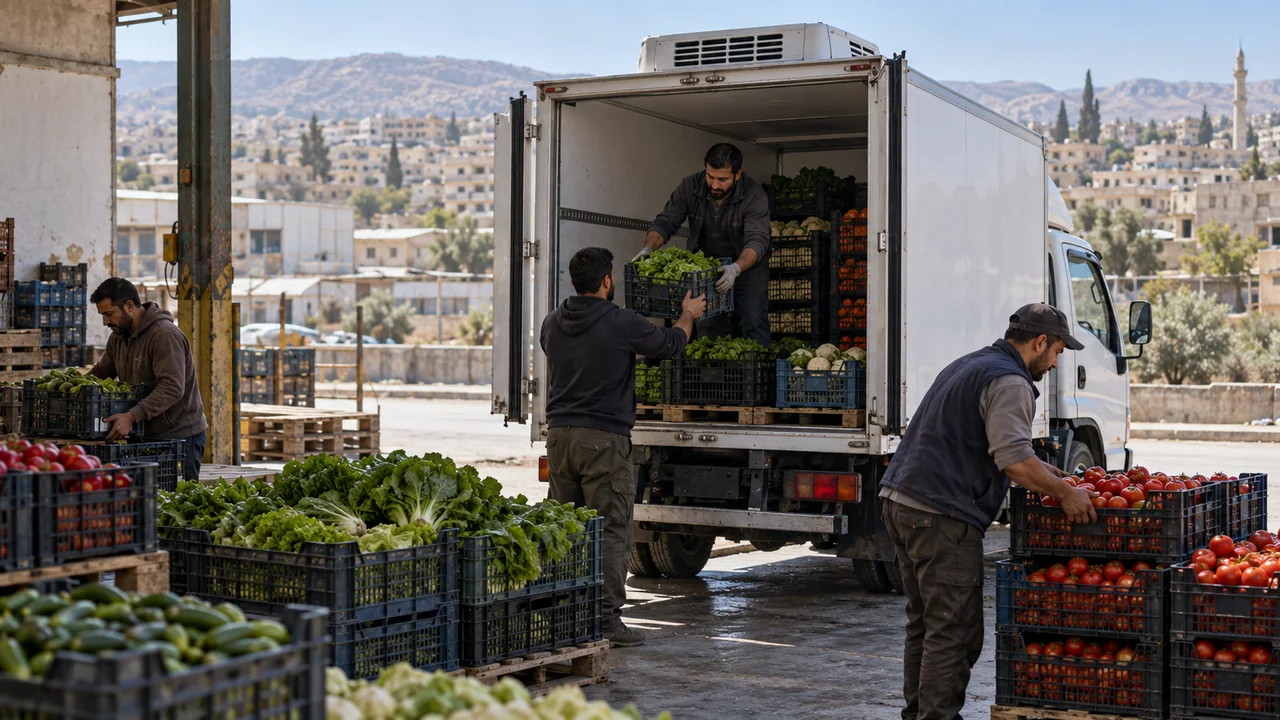
Owning a vehicle does not create paid journeys. Start with a route where collections and deliveries can be combined realistically. Include loading delays, cleaning, maintenance and the return trip in your calculation. Contracting an existing operator may be a sensible trial before buying a truck. Once actual work is recorded, compare ownership with contracted capacity using comparable service standards and responsibilities.
Maintenance and temperature monitoring
An investor need not own the produce or the store. A qualified team can provide scheduled maintenance, monitoring and fault response. The value is reliable attention and suitable spare parts, rather than selling sensors and leaving the customer alone. Define service limits carefully: potential losses on stored goods may greatly exceed the maintenance fee. Escalation and emergency decisions should be understood before a fault occurs.
Chapter 3: Choose one product family first

Citrus, leafy vegetables, dairy products and meat do not share one universal storage specification. Temperature, humidity, hygiene, segregation and traceability requirements differ, and some activities require additional approvals. Select a manageable product category and consult qualified food specialists. This article deliberately provides no universal storage temperature; applying a number from another commodity can damage quality or create a health risk.
Work backwards from the buyer. What grade do they accept? How often do they order? What causes rejection? A processing business may accept an appearance that a retailer rejects, while demanding a different level of supply consistency. Establishing the sales channel first helps prevent purchasing perfectly good produce that does not suit the business you are trying to serve.
Chapter 4: A Syrian location search, not a city ranking
The coast, southern agricultural areas, rural Damascus, inland production zones, northern Syria and the east should not be treated as interchangeable labels. Conditions differ within governorates as well as between them. Investigate actual product routes between suppliers and buyers. These are research directions, not confirmation that every road is currently accessible or every location suitable for investment.
Compare three specific premises on supplier access, buyer access, utilities, maintenance availability and property suitability. Visit during real operating hours. Ask a carrier to estimate a complete journey including waiting and handling. A nearby technician, usable loading entrance and dependable access may matter more than a fashionable location or a modest difference in rent.
Test a service before buying the site
Renting suitable existing capacity for a pilot may reveal demand before construction commits substantial capital. That is not a rule that renting always wins. It is a way to put a known cost on uncertainty. Tie expansion to repeat customers and collection performance, rather than an argument that a property is available at an unrepeatable price. A cheap building does not supply its own customers.
Chapter 5: Find the person who pays
Interview a manageable set of prospective customers using comparable questions. Ask about normal quantities, holding times, recent problems and current service costs. Instead of requesting guesses about Syria’s entire market, ask them to describe their last shipment. You may find the bottleneck is a missed loading slot, unreliable grading or disputed weights, rather than a shortage of cold rooms.
Then offer a small, clearly defined paid trial. Specify the product, volume, acceptance conditions, timing and handover record. If customers like the idea but reject the price, discover which part matters to them. Do not mistake encouragement for a reservation. A customer willing to test and pay provides stronger evidence than a long list of people who think the idea sounds useful.
Chapter 6: Costs without invented market prices
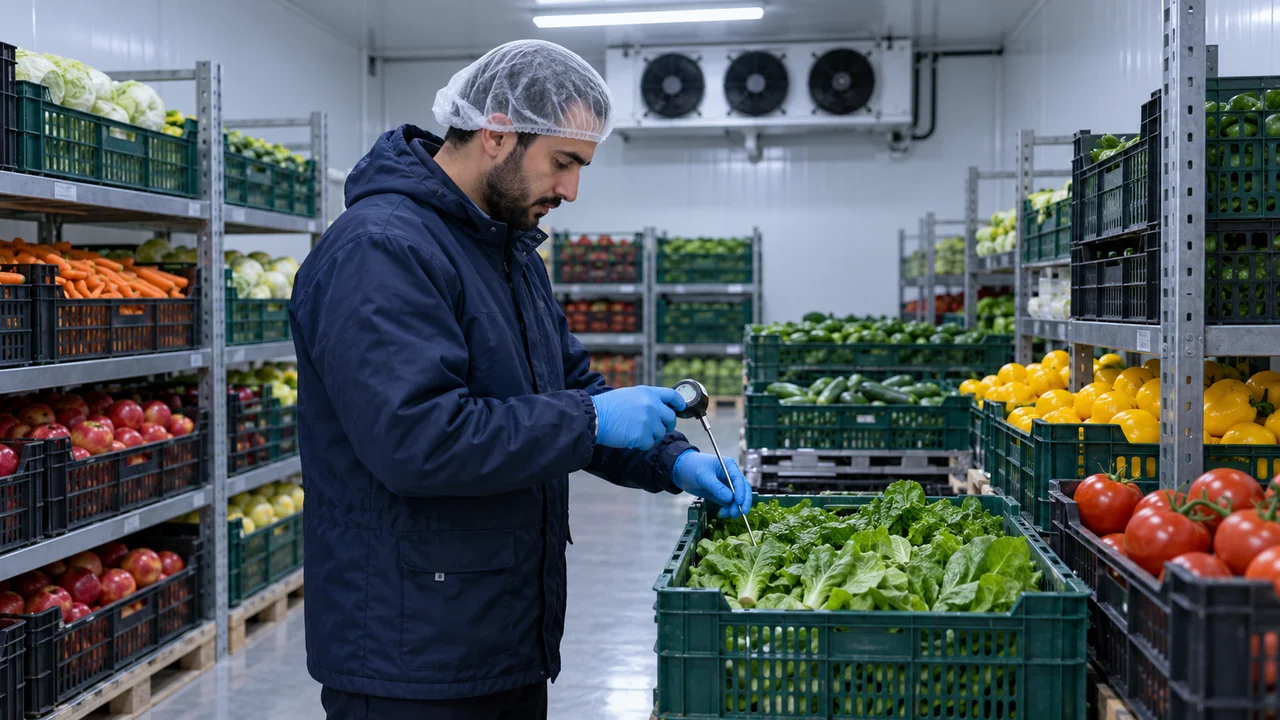
Separate installation expenditure, running costs and working capital. Installation may include insulation, equipment, site preparation and measuring devices. Operations include energy, wages, cleaning, maintenance, handling and rent. Working capital covers the gap between paying these expenses and collecting invoices. Obtain dated quotations with currency, validity and warranty terms. Combining prices from different years does not produce a current feasibility study.
An illustrative calculation, not a Syrian quotation
Suppose a facility sells 600 storage-service units a month at 10 currency units each. Revenue is 6,000. If variable costs are 2,400 and fixed costs 2,700, the operating balance is 900 before tax, finance and excluded investment costs. These are invented teaching figures, not a local price or expected return. Define the service unit before applying this method to your own project.
If paid volume falls to 400 units with the same price and variable cost per unit, revenue becomes 4,000, variable costs 1,600 and fixed costs remain 2,700. The result is a 300 operating loss. Illustrative break-even is 2,700 divided by a contribution of six per unit: 450 units, before the excluded items. Testing a weaker season is more useful than showing only an excellent one.
Chapter 7: Energy and seasonality shape the facility
Commission a suitable assessment of operating loads and consumption. Door openings, incoming product temperature, insulation and delivery schedules affect the result. A device’s nameplate rating is not a monthly electricity bill. Agree an outage and alarm response plan with qualified specialists, including who authorises transfer or rejection if conditions cannot be maintained. Equipment purchases should follow this understanding.
Map expected volumes across the year rather than filling twelve months with one harvest’s peak. Check whether different products can safely and technically share facilities. Filling unused space with anything available is not a sound plan. A smaller operation with regular contracts may outperform a large one carrying rent and maintenance through long quiet periods.
Chapter 8: A contract that describes the handover
Record product condition, quantity, packaging, intake time and agreed service conditions. Note exceptions before accepting the batch. Define who authorises temperature changes, who performs quality checks and when loading responsibility changes. Have local professionals review the activity’s requirements and contract. An imported template with a new company name is not a complete solution. If insurance is available, examine exclusions, limits and claims conditions.
For an overseas partner, also clarify management powers, expenditure approval and reporting rights. A local partner cannot deliver results without agreed resources, and an overseas investor should not rely on verbal assurances alone. Check applicable commercial, banking and legal requirements for the parties, goods and route at the time of execution. Current professional review matters more than assumptions based on an earlier transaction.
Chapter 9: A practical ninety-day pilot
Days 1–30: establish the problem
Choose one product and one route. Speak with suppliers, buyers, carriers and technicians. Obtain quotations for suitable premises or existing services. Write five reasons a customer might reject your offer, then test them. The deliverable is a record of checked assumptions and unresolved questions, rather than a presentation full of attractive warehouse photographs.
Days 31–60: follow a limited batch
Run a manageable trial under suitable agreements with qualified people. Measure timing, required product conditions, handling, cost and rejection reasons. Ask the buyer to assess the delivery. Avoid changing supplier, package, route and price simultaneously if this prevents you understanding the result. Small exceptions should be recorded too: at a larger scale, a repeatedly overlooked detail can become a major expense.
Days 61–90: decide from repeat behaviour
Did the customer return? Was the invoice paid on time? Can the team repeat the service without the owner supervising every movement? Weak answers call for correction before expansion. Reducing capacity, changing the customer group or stopping can be sensible outcomes. A good pilot prevents an unsuitable large commitment; it does not have to justify growth at any cost.
Chapter 10: What to watch over the next 12–24 months
Use scenarios rather than a single confident prediction. With improving services and demand, buyers may place greater value on regular deliveries and consistent packing. With uneven recovery, flexible capacity and shorter commitments may fit better. If energy costs rise or routes become disrupted, efficiency, contingency arrangements and limited fixed obligations become more important. These are planning possibilities, not forecasts of what Syria will definitely experience.
Across these scenarios, actual operating records remain useful: accepted quantities, delivery times, realised cost and customers who pay and return. They help a Syrian operator negotiate with finance partners and help an overseas investor understand the business. The next deliverable batch tells you something a headline cannot: whether the operation can maintain a standard and collect a clear invoice.
Chapter 11: Make quality visible without overcomplicating it
A simple batch reference can connect intake, storage and release documents. The system need not begin as expensive software, but it must remain legible and consistent. Record exceptions promptly and give responsibility to named roles. A customer should be able to ask what happened to a batch and receive a clear answer without five people searching their personal messages.
Agree what is measured and why. A temperature record may support an investigation, but it does not prove every aspect of product quality. Keep instruments suitable for their purpose and arrange checks recommended by qualified specialists. Do not promote a tracking screen as a substitute for safe handling. The best record explains the operation; it does not distract from it.
Supplier selection: what comes with the equipment?
Compare quotations for the same scope, rather than their final totals alone. Ask for insulation, doors, refrigeration equipment, measuring devices, site preparation, installation, testing and handover to be itemised. A cheaper proposal may leave necessary work for you to purchase separately. Each supplier should describe what must be ready before arrival. This makes differences visible before negotiations turn into an argument over incomparable prices.
Discuss support after delivery. Where is the technician based? Which parts are available and which must be ordered? Does warranty cover a component, labour or transport? Keep operating and maintenance documents accessible and train more than one person for their permitted duties. Do not concentrate all knowledge in one employee or encourage an unqualified repair under pressure to save the stock.
Agree an acceptance record covering professionally defined tests, outstanding items, responsible parties and deadlines. Running a machine briefly does not establish facility performance under actual conditions. Match acceptance to the contract and the activity, including suitable hygiene and safety requirements. Final payment should follow agreed terms rather than new verbal conditions introduced at handover.
A small operating dashboard that reveals the business
Track available capacity, paid capacity, holding time, rejections, service-unit cost, invoices due and cash collected. Separate products where their service differs. A full room can contain unpaid occupancy, and high invoicing can coexist with insufficient cash for the next energy bill. Revenue alone hides this distinction. Useful records should help the operator decide, not merely fill a monthly presentation.
Review complaint causes, not just their count. Repeated packaging faults, weight disputes or late collection by one customer may need a procedural change rather than new equipment. Give each corrective action an owner and date. Watch dependence on one customer or supplier. A major contract can be a good start but a vulnerability if it disappears. Discuss appropriate cash management and service accounting with an accountant.
Write a cooperation request people can answer
Replace “partner wanted for a profitable agricultural project” with a specific description: the product group, area, service and partner sought. Say whether the project is a study, pilot or operating business. If there is no facility or contracted customer yet, state that. Clarity reduces unsuitable enquiries and makes discussion about the actual missing capability possible.
Do not disclose a producer’s identity or private contract without appropriate permission. Share sensitive documents gradually with identified recipients for defined purposes. Ask about the other party’s legal identity, representative authority and proposed contribution. Speed should not replace verification or justify transferring money on the strength of a short conversation.
Know when to stop or change direction
Set limits before the pilot: maximum commitment, available time, safety conditions and evidence needed to continue. If no paying customer emerges or suitable storage conditions cannot be provided, pause new commitments and investigate. Changing product, scope or operating method may help; more advertising alone may not. An orderly stop protects resources and relationships.
If demand is demonstrated but expansion capital is limited, examine contracted capacity or shared services alongside other financing options with appropriate professionals. This is not a universal financing recommendation. The useful principle is to match commitment to demonstrated demand. A small operation that knows its costs and reliably serves customers has a stronger foundation than a large facility searching for its purpose after opening.
Frequently asked questions
Must I build a large cold store first?
No. Start with capacity suited to a demand test, potentially through a suitable existing operator. Compare cost, responsibility, approvals and operating quality. Available capacity is not the same as sold capacity. A limited start also lets you discover whether buyers want storage, packing or a different service entirely before fixing the shape of the business.
Is storing produce the same as trading it?
No. Storage earns a service fee; buying produce adds ownership, price and sales risks. A company can operate both activities if appropriately organised, but should analyse their cash needs and performance separately. Ask who owns the goods, who finances them and who carries a price fall whenever a proposal mixes storage income with hoped-for trading profits.
Which governorate is best?
There is no universal answer. Compare specific supplier–buyer routes, current access, utilities, maintenance and suitable premises. A location’s agricultural reputation or low rent cannot settle the decision. A transport improvement serving an existing facility may sometimes be a better opening than building a new store far from its customers.
How should food safety be handled?
Use qualified specialists, applicable requirements, training, hygiene, traceability and appropriate inspections. Refrigeration alone does not guarantee safe food. Define acceptance and rejection procedures, retain suitable records and establish how suspect batches are handled. Safety belongs in daily operations and responsibilities, rather than a slogan added to the sales presentation.
Can I describe a cooperation opportunity on Bsouria?
Describe a genuine business requirement within the platform’s available services: an operating partner, supplier, carrier or collaboration. State the product, area and relationship sought. Avoid guaranteed finance or unsupported returns. A business-directory entry can start a conversation, but does not replace identity, capability and contract checks before doing business.
What can I do this week?
Select one product and potential buyer. Write the journey of a single batch through intake, delivery and payment, obtain current service quotations and propose a limited trial. If you cannot explain who pays and why, postpone equipment purchases. Repeated demand that can be served safely at an understood cost is a stronger start than a general claim about market potential.
Sources and official reading
- FAO — Syria: agriculture and rural development
- UNEP — Sustainable cold chains
- UNEP / FAO — Sustainable Food Cold Chains (2022)
Continue your research on Bsouria
Business opportunities · Business directory · Read the companion article ·
Image sources and reuse
Photographs are dated in their captions, and conceptual scenes are identified. Archival images do not document current conditions or fund projects. Educational diagrams are by Bsouria.
- Fruit market in Hama, archival photograph from 2010 — Bernard Gagnon / Wikimedia Commons · CC BY-SA 3.0. Cropped and resized; the photograph does not establish current conditions.
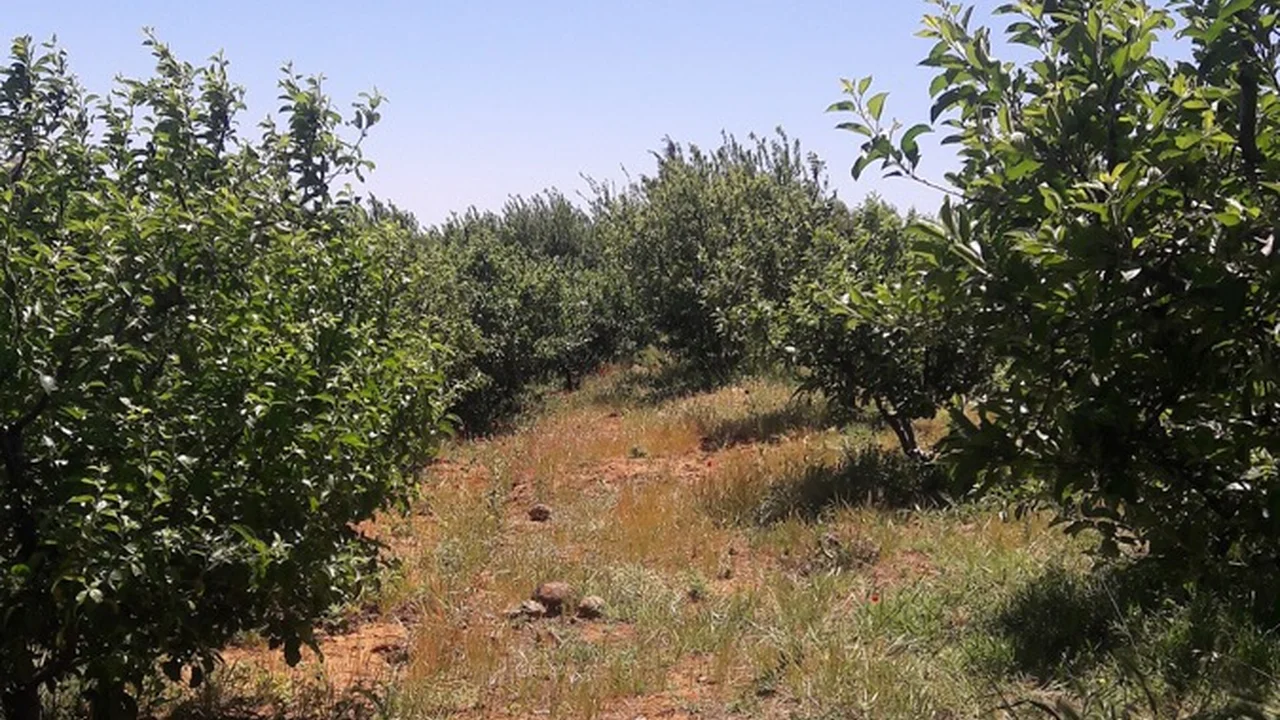
- Apple orchard in Deir Nater, Hama Governorate, 2019 — Mossab92 / Wikimedia Commons · CC BY-SA 4.0. Cropped and resized; the photograph does not establish current conditions.