From Factory to Export: Where Investment in Syrian Industry Begins
Edible-oil bottling line; conceptual industrial scene — AI-generated illustration by Bsouria; not documentation of an existing project.
A product may reach a shop outside Syria without revealing the decisions that brought it there: materials, dimensions, inspection, packaging, payment and shipment follow-up. For an investor, these are not minor tasks to consider after buying a factory. They are part of the business itself, and sometimes the best place to begin a smaller, more clearly defined investment.
“Can Syrian industry export?” is therefore too broad a starting question. A useful discussion asks which product, for which buyer, to which specification and with whom responsible for each stage. A Syrian manufacturer and an overseas partner can find better answers through a testable order than through a general picture of a large market waiting for everybody.
This guide connects a recent textile-sector development with wider questions of industrial readiness. It does not offer a list of approved factories, promise returns or assume that every industry faces identical conditions. Its focus is the journey from a first sample to a repeat order, in language a workshop owner, trader or financial partner can use in an ordinary business meeting.
Why the recent development deserves attention
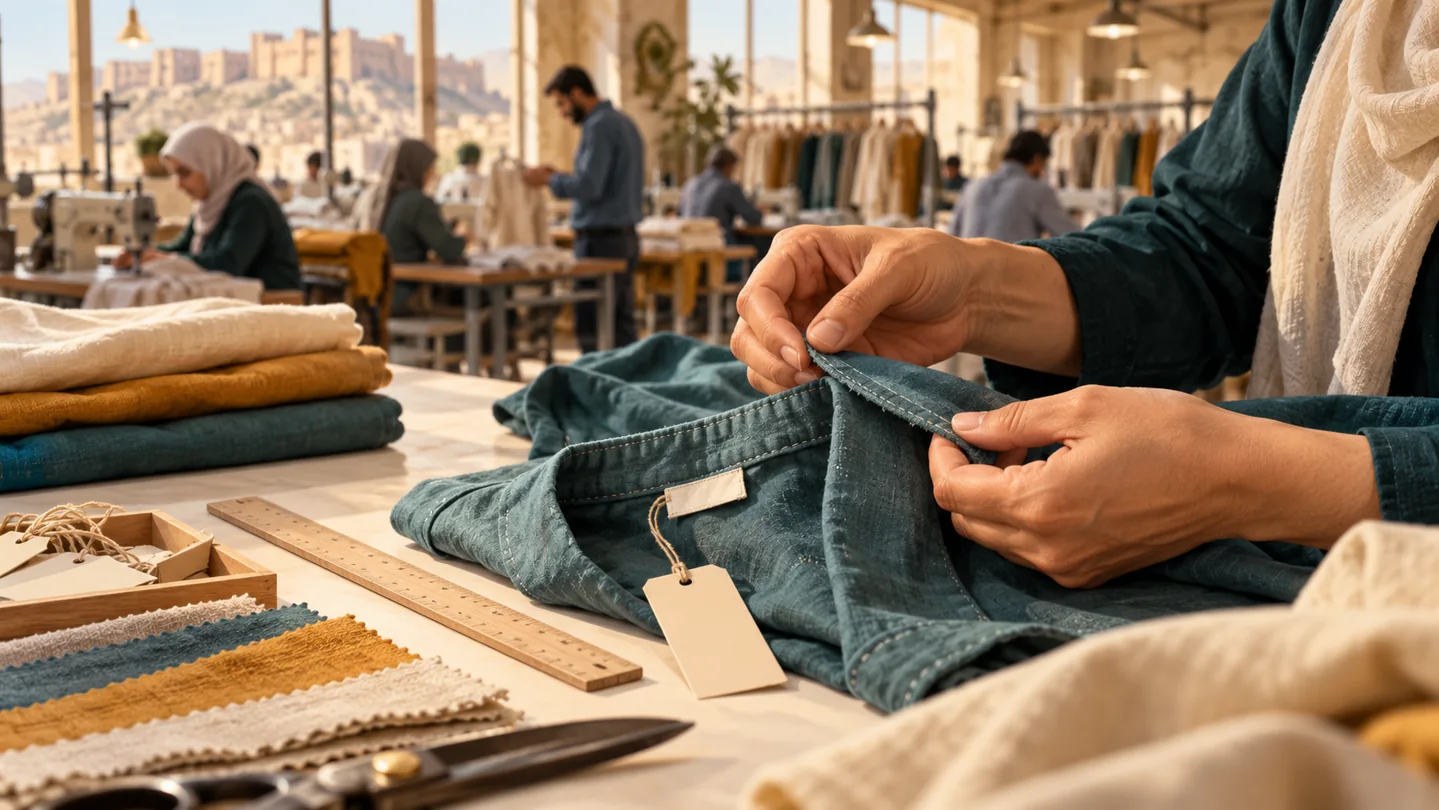
A UN Syria statement dated 21 October 2026 described progress in a joint ILO–UNIDO initiative for textiles and garments, focusing on skills, working conditions, enterprise capacity and market access. The news concerns that sector. The business lessons below are editorial analysis whose suitability must be tested for each activity.
For an owner, the useful connection is between people, production methods and the ability to serve a customer. A new machine is not the whole story, and neither is attending a trade fair. Considering these elements together helps an investor ask which gap a proposed business would address and what evidence shows a buyer willing to pay for the result.
Do not interpret the announcement as an open grant, contract or registration route for your factory. Follow any subsequent official invitation on its own terms. Meanwhile, improving specifications, costing and delivery remains useful work, whether or not your company participates in a particular initiative or receives outside support.
Choose a product before choosing an industry label
“Industry” is too broad to guide an equipment purchase. Even textiles covers activities with different materials, finishes, quantities and customers. Start with one product you can describe and inspect. Does the buyer want a finished item under their brand, a component, a processing service or regular supply? Each answer produces a different operating model.
Consider a fictional workshop capable of making a limited range of standard work garments. Testing one clear specification may be more practical than opening a large line for many designs without an identified buyer. Outside textiles, a packaging supplier might begin with one size requested by a known food producer before investing in several moulds and colours.
Also write down what you will not produce initially. That limits scattered purchasing, stock and marketing. Variety can come later. The first stage needs a promise you can keep. If an investor does not understand the product, a conversation with its maker and intended buyer should precede comparisons of machinery quotations or negotiations over new premises.
Trace the chain from demand to after-sales service
Where does time, quality or money disappear?
Draw the stages on a page: materials, preparation, production, inspection, packing, shipment, receipt and service. For each, record the responsible person, required input and output passed to the next stage. A simple diagram can expose dependencies that a general proposal hides, such as a small missing component stopping an entire batch.
Look for repeated work and unrecorded waiting. The problem may be inconsistent material, an absent specification or delayed customer approval rather than too few machines. Do not decide after a brief visit. Follow a sample job from beginning to end and record what happens instead of relying on memory or the explanation given during a presentation.
This map can support a precise investment discussion. The useful improvement might be inspection equipment, training or packaging rather than another production line. But not every improvement automatically justifies investment. Compare its cost with a recurring problem and check whether the team can operate and maintain the proposed solution after installation.
Select a market, not just the word export
Selling to a regional distributor differs from supplying a specialist retailer or manufacturing for another brand. Identify the buyer and route to market before preparing a large catalogue. Ask about quantities, price level, delivery windows, packaging and support. Good production capability may still be unsuitable for the way a particular customer purchases.
Approach relevant buyers with a clear description or sample rather than sending generic messages to hundreds of addresses. At first, seek information you can use: what is missing, which document is needed and whether the objection concerns price, design or lead time. An overseas enquiry is not automatically worth pursuing if it does not fit your operation.
Keep domestic demand in the comparison. A repeat local order with a clear specification and disciplined collection can be a stronger starting point than an unfamiliar distant transaction. Exporting needs a commercial reason. Distance does not create value by itself, and a contract in foreign currency does not automatically become profitable.
Turn the sample into a written specification
“Like the sample” can leave too much unanswered
A sample alone may be insufficient when materials or production settings change later. Describe material, dimensions, colour approval, acceptable variation and relevant use or care requirements. Establish what must be approved before full production and inspected at delivery. Use clear photographs and dated versions so everybody knows which specification is current.
The details change across industries, but the principle remains: acceptance should not depend on one person's memory. If testing or certification is required for the product and destination, consult a suitably qualified party. Do not claim “European compliant” or add a certification logo without documentation identifying exactly what was assessed and within which scope.
Agree how changes will be authorised. A small buyer request can affect tooling, material or time. Record acceptance of revised price, schedule and specification before continuing, instead of leaving an isolated message in a long conversation. This matters especially when the person inspecting the shipment differs from the person who first negotiated the order.
Capacity includes people, services and maintenance
The figure on a machine's plate is not your repeatable delivery capacity. Consider set-up, product changes, cleaning, trained operators, maintenance, material availability and real operating conditions. Ignoring these elements can produce a quantity promise the line cannot meet, even when the equipment itself works properly.
Before purchasing machinery, establish who will run and repair it and how consumables will be obtained. Request an appropriate demonstration using a relevant product, not an ideal display using unrelated material. Compare improving current equipment with buying new. Training or workflow changes may deserve attention first, but the choice needs measurements from your business.
An overseas partner might contribute knowledge, training or technical support rather than simply ship a machine. Specify what the offer includes: installation, testing, instructions, training and maintenance. Identify separate charges and obligations. Those are purchasing questions to compare from the outset, rather than details to discover once the equipment has arrived.
Calculate the margin on accepted output
Begin with material and direct labour, then include waste, inspection, packing, transport, documentation and order-related services. Allocate overheads transparently. Ask what each accepted item costs, not merely how many units leave a machine. Reworking or rejecting part of a batch can alter the result considerably.
Take a hypothetical example using arbitrary units, not Syrian prices. Producing one hundred items does not mean selling one hundred at full price. Rework uses additional time and material. A quality deduction affects the order even if it never appears as a purchasing invoice. The example organises the calculation; it does not suggest a normal rejection rate for Syrian factories.
Test costs at different quantities. A short run may carry more set-up cost per item; a larger run may require additional cash, inventory and supervision. Do not discount merely because the quantity sounds impressive. Review the effect with production and accounting staff, and specify quotation validity and treatment of changed materials or requirements before committing.

Plan packaging and shipment early
A product damaged in transit or missing required information gains little from its original factory quality. Ask early how it will be packed, counted, identified and documented. Check requirements with the buyer, shipping specialist and relevant destination authority. A label used domestically should not be assumed suitable for every overseas market.
Where transport conditions matter, test packaging on a small quantity. Review protection, weight, handling and batch traceability. Record the agreed method and responsibility for each part of the journey. Trade abbreviations should be understood in their applicable version and meaning, not copied into a quotation because another supplier uses them.
This guide gives no universal duty rate or shipping permission. Requirements depend on product, origin, destination, parties and date. Use official destination resources, including Access2Markets when researching EU trade, then verify the actual case with an appropriate specialist. General market information cannot replace classification, documentation or a permission required for a specific consignment.
Establish payment terms before production
Ask when payment becomes due, which document establishes delivery or acceptance and who bears agreed transfer or inspection charges. Interest is not a deposit. Do not begin a highly customised order that would be difficult to sell elsewhere merely because an apparently established buyer promises much larger business later.
Review the payment instrument and route with the bank and advisers appropriate to the transaction. Practical availability and charges can differ. This article recommends no guaranteed transfer channel. Establish a workable formal arrangement before basing purchases, wages and shipment dates on an assumed incoming payment.
If the price currency differs from some costs, show the exposure in your order calculation and have the wording reviewed. Discuss delay, changes and cancellation before a disagreement occurs. Written terms do not remove all risk, but help each party understand the commitment and identify an unsuitable condition before it becomes a loss.
Define the overseas investor's actual contribution
A partner may invest in ownership, finance an upgrade, supply equipment or provide distribution. Those are different roles. Decide whether you need money, operating expertise or a long-term buyer. If several elements are needed, discuss each contribution separately rather than compressing them into a broad promise of partnership.
Explain what the Syrian company contributes: team, product knowledge, premises, relationships or established demand, supported by relevant evidence. State what the overseas party will provide, when and how delivery is measured. A visit does not constitute investment approval, and receiving machinery does not by itself establish ownership or profit-sharing terms.
Check legal identity, authority, ownership, licences, contractual obligations and applicable rules with qualified advisers. A cross-border transaction must be assessed for its own parties and jurisdictions. A relaxation or exemption affecting one organisation or product cannot be assumed to cover everyone. These boundaries belong in a professional proposal rather than being postponed until negotiations are almost finished.
Organised work is part of export readiness
Skills and working conditions belong together
Readiness is not just line speed. Review operating instructions, training, safety responsibilities and reporting of problems. When an operator understands the specification, knows when to stop a defective item and can ask the right person, control becomes clearer. Delivery pressure should not be used to bypass safety requirements or workers' rights.
If a buyer asks about working conditions or business practices, provide accurate information you can support. Do not present a policy that is not followed or promise a certificate you do not hold. Useful initial steps include recorded training, accessible instructions, action on a reported issue and a clear assignment of responsibilities.
The commercial point is not a claim that every improvement doubles output. It is that work should be repeatable, inspectable and capable of improvement without essential knowledge remaining with only one person. Owners, customers and investors can then discuss an observable operating system rather than an impression formed during a carefully arranged visit.
A trade fair is a stage, not an entire sales strategy
Before attending an event, identify whom you want to meet, what you will show and what outcome would justify the expense. A distributor, pilot order and technical feedback are different goals. Bring a sample, product sheet and quotation whose conditions you can explain. Count meaningful follow-up rather than photographs or business cards alone.
Afterwards, separate contacts needing information, samples, quotations and no immediate action. Give each a responsible person, date and next step. Do not send an identical response to everybody or describe a company that attended a meeting as a contracted customer or approved partner.
A limited budget may suit simpler tools: a prepared sample, clear specification, permitted photographs and a focused buyer meeting. Compare acquisition cost with the quality of response. You do not need to appear at every event. As repeat demand develops, decide whether a larger exhibition supports a defined goal or consumes time needed in production.
Six gates from sample to repeat order
Start with a defined product and customer, then an inspectable sample, documented costing, payment and delivery agreement, limited production trial and review after collection. Each gate answers a question. Do we know the offer? Is the specification approved? Are costs understood? Is the commitment clear? Did delivery work? Will the customer order again?
Record what differed from expectations even when the first sale ends well. Delayed materials, a labelling mistake or repeated corrections may disappear from a final product photograph but matter when quantity increases. Ask for specific feedback. “Everything was excellent” is less useful than knowing what the buyer wants changed before another order.
Discuss expansion using those records. The next decision might be more of the same product, a process improvement, another customer or a pause. Success does not require a new machine every time. Sometimes it means repeating what works without multiplying the errors. These gates are an editorial planning tool, not official market or programme requirements.
Use Bsouria as a starting point for connections
Read related guides to company formation, costs and trade, then use the business directory to discover possible contacts. If publishing a partnership or supply opportunity, state the product, scope, location, contact method and requested contribution. Specific information saves more time than an announcement describing a large opportunity without anything assessable.
Do not expose product secrets, customer lists or partner documents in a public listing. Share enough to begin a professional conversation, verify the recipient and move sensitive details into an appropriate channel. Bsouria is not a party to your contract and does not guarantee every correspondent or supplier's performance.
Read industry news with a consistent question: what verifiable change might matter to my product or buyer? That turns following headlines into better preparation. A useful announcement starts research; a workable business still needs a specification, customer, team, delivery process and calculation that another person can examine.
Questions about manufacturing and exports
Do I need a large factory?
Size alone does not decide readiness. Identify product, customer, quantity and inspection, then compare them with your capacity. A component or specialised processing service may fit. Do not accept a commitment beyond reliable delivery or describe capabilities that do not exist simply to attract interest.
Does the UN statement open applications for factories?
This article establishes no application route for your company. Check any invitation's issuer, eligibility and dates separately. Do not pay an intermediary for guaranteed acceptance. The sources document context; they are not a grant application portal operated by Bsouria.
What should a buyer receive first?
Prepare a product sheet, sample or suitable photographs, specification, quantity, indicative lead time and clear price conditions. State which requirements are verified and which need checking. Honest readiness is more useful than a broad claim that fails at the first technical question.
Is exporting always better than local selling?
No. Compare order margin, access costs, collection, returns and management time. A repeat local customer may suit the first stage better than a complicated overseas transaction. Test another channel in a limited quantity before changing the entire operation because a market appears attractive.
Who verifies customs and product requirements?
The transaction parties should consult official resources and appropriate specialists for the product, destination and counterparties. A rate or condition from another shipment may not apply. Classification, origin, labelling and testing can require separate checks. No single answer covers every product and country.
When should I seek expansion capital?
When you can explain demonstrated demand, the gap preventing delivery, its cost and how improvement will be measured. Machinery offered for sale is not enough reason to invest. Present pilot evidence, operating capability and collection arrangements, with the investor's role and obligations clearly defined.
Sources and official reading
- United Nations in Syria: textiles and garments, 21 October 2026
- European Commission: Access2Markets for EU market information
- International Labour Organization: decent work principles
Continue your research on Bsouria
Browse opportunities · Business directory · Read the other investor guide
Image sources and reuse
Photographs are dated in their captions, and conceptual scenes are identified. Archival images do not document current conditions or fund projects. Educational diagrams are by Bsouria.
- Edible-oil bottling line; conceptual industrial scene — AI-generated illustration by Bsouria; not documentation of an existing project.
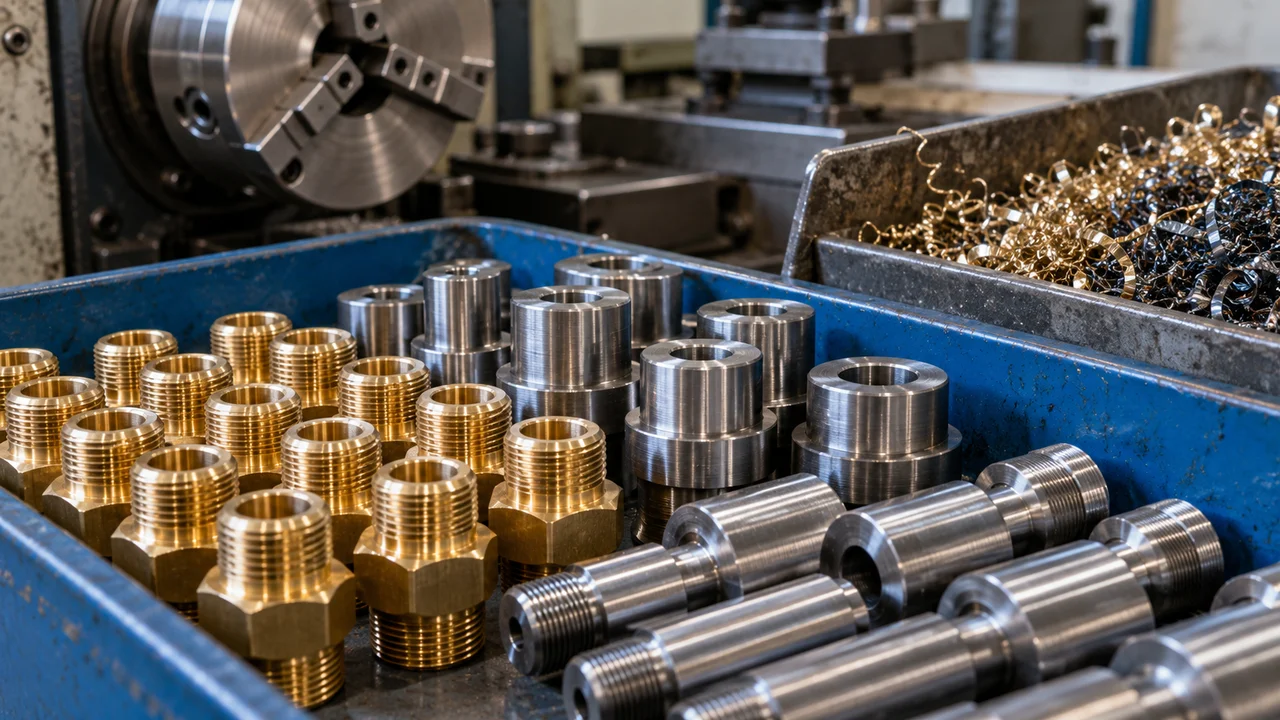
- Machined metal components and tooling; conceptual scene — AI-generated illustration by Bsouria; not documentation of an existing project.
Refreshed slideshow license: CC BY-SA 4.0. Sources, authors and image licenses are listed above; cropped images and their segments retain the original or compatible license.